
By Rick White, Bradford Construction Management
Understanding how to read an open-book custom home budget is crucial for homeowners in Massachusetts who want to ensure transparency and manage their investments effectively. An open-book budget allows homeowners to see every detail of the construction expenses, fostering trust between the client and contractor. This article will guide you through key aspects of these budgets, including their components, the importance of transparency, and how to effectively analyze budget documents. You will also learn the impact of local laws on these budgets and practical steps to verify and understand your custom home budget. Ultimately, you will be empowered to navigate your budgeting process confidently and efficiently.
What Is an Open-Book Custom Home Budget?
An open-book custom home budget is a transparent financial plan that outlines all costs associated with constructing a custom home. It allows homeowners to view every line item, ensuring they understand where their money is going. This budgeting method emphasizes a transparent cost-plus delivery model with a detailed estimated not-to-exceed budget before construction starts. The contractor charges actual project costs incurred plus an agreed construction management fee. The fee basis and covered expenses are defined by each construction agreement and do not assume a fixed percentage or immutable flat fee. This approach fosters clarity and alignment between homeowner and builder, while enabling effective budget management.
How Does Bradford Track Your Custom Home Budget?
At Bradford Construction Management (BCM), the initial detailed line-item estimate becomes the working budget target. During construction, monthly actual-cost billing and financial reporting are provided through a client portal offering verified monthly financial and job-cost reporting. When BCM beats a budget line, the savings stay with the project, supporting efficient cost management and shared benefit. The agreement defines scope, exclusions, and handling of written approved changes; however, it does not guarantee that every possible change will cost nothing. This transparent framework ensures homeowners can review progress consistently and participate actively in financial decisions.
Why Is Transparency Important in Massachusetts Custom Home Budgets?
Transparency in Massachusetts custom home budgets enhances trust between homeowners and contractors. An open-book budget allows clients to see the true cost of materials and labor, helping to prevent misunderstandings and disputes later in the project. Furthermore, it enables homeowners to identify and question charges directly. By promoting a transparent financial relationship, both parties can work collaboratively towards successful project completion.
What Are the Key Components of a Custom Home Budget in Massachusetts?
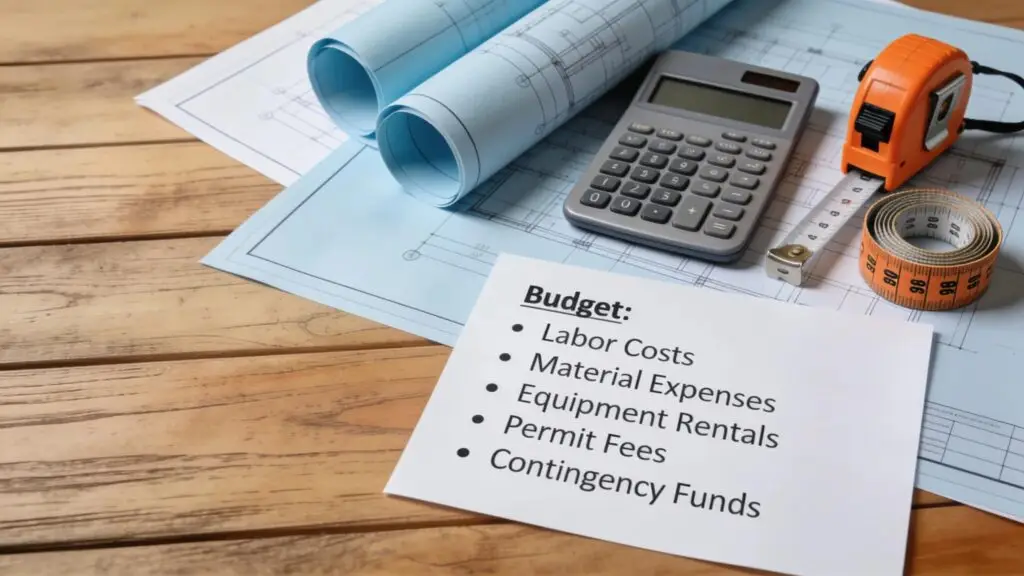
Understanding the key components of a custom home budget is essential for homeowners to manage their expectations and finances efficiently. Significant elements of these budgets include:
- Site Conditions: Costs associated with land preparation, soil conditions, and any site-specific challenges.
- Design and Architecture: Expenses for architectural plans, design modifications, and engineering consultations.
- Permitting and Zoning Requirements: Fees related to obtaining necessary permits and ensuring compliance with local zoning laws.
These components are crucial as they impact the overall budget significantly.
How to Identify Labor, Materials, and Overhead Costs in Budget Documents?
To effectively assess a custom home budget, homeowners should focus on breaking down the budget into its core components: labor costs, materials expenses, and overhead costs. Identifying these elements allows for a clearer understanding of where the money is allocated.
Which Budget Categories Should You Expect in an Open-Book Estimate?
When reviewing an open-book estimate, homeowners should expect to see various budget categories that encompass different areas of the construction process, including:
- Direct Labor Costs: Wages and benefits paid to workers directly involved in the construction.
- Materials Costs: Expenses related to all supplies needed for construction, from framing to finishing touches.
- Overhead Costs: General business expenses that contribute to the contractor’s operations, such as insurance and administrative costs.
Recognizing these categories helps homeowners ask informed questions and seek clarification.
What Should You Clarify in Your Construction Agreement?
Ask which costs are reimbursable, what the construction management fee covers, and how changes are authorized. Have a Massachusetts construction attorney review your agreement if you have questions about invoicing rights or obligations. The signed terms matter; the phrase open-book alone does not explain them.
What Are Practical Steps to Read and Verify Your Custom Home Budget?
Understanding your custom home budget requires distinguishing between the original budget, the actual invoices paid so far, and the money still committed to contracts or work not yet invoiced. Careful review of these elements supports clear financial oversight and helps anticipate final costs.
Which Questions Should You Ask About Your Budget Line Items?
When reviewing budget line items, homeowners should consider asking the following questions:
- What is included in each line item? Understanding what specific costs are associated with each part of the budget ensures clarity.
- Why does this cost vary from estimates? Asking about any discrepancies helps to maintain transparency.
- Can you provide detailed breakdowns or receipts? This request strengthens the verification process and establishes accountability.
- How are allowances and contingencies accounted for? Clarify what is included in allowances and how contingencies are managed.
- Are overhead charges separate from the construction management fee? Avoid double counting by understanding what overhead is included in fees and what might be billed separately.
These questions foster a clearer understanding and enhance communication between homeowners and contractors.
How to Use Budget Tables and Diagrams for Better Clarity?
Incorporating visual tools such as tables and diagrams can greatly enhance understanding of a custom home budget. By presenting budget information visually, homeowners can more easily grasp complex financial details that may be overwhelming in a text format.
| Review Column | What to Check |
|---|---|
| Original Budget | The initial estimated cost approved for each scope of work. |
| Approved Changes | Documented client-approved modifications that adjust the original budget. |
| Actual Cost to Date | The amount invoiced and paid so far for completed work. |
| Committed Unpaid Costs | Value of outstanding invoices or contracts for work not yet billed. |
| Estimate to Complete (Excluding Committed Items) | Projected additional costs remaining to finish the work beyond committed expenses. |
| Forecast Final Cost | Sum of actual costs to date, committed costs, and estimate to complete. |
Rick uses a simple example: if a $5,000 budget line is completed for $3,000, the remaining $2,000 stays with the project. This illustrates the billing approach; it is not a project result or savings guarantee. Until the work is complete and all costs are accounted for, spending less than the budget is not proof of savings.
What Are Allowances and Contingencies?
Allowances are budget amounts set aside for specific items or scopes not fully defined at the time of contracting. These are estimates that can be refined as selections are made. A contingency is a reserved amount to cover unforeseen conditions or changes during construction. Unlike fixed percentages sometimes mentioned elsewhere, the amounts and usage of allowances and contingencies vary by project and are defined in the contract. Understanding these allows homeowners to anticipate potential budget adjustments.
Frequently Asked Questions
Does lower spending this month mean we are under budget?
No. You need to account for unpaid commitments and unfinished work before concluding that you are under budget.
Is an allowance the final price?
No. An allowance is a planning amount for a defined item or scope; clarify what coverage it includes and reconcile it with the actual selections made.
What does the management fee include?
The agreement defines covered services and the fee calculation. Ask which expenses are included in the fee versus those charged separately. There is no universal flat-fee or percentage claim.
Start a Conversation About Your Custom Home Planning
If you are considering a custom home project in Massachusetts or Southern New Hampshire, our team at Bradford Construction Management is ready to discuss your goals and guide you through our transparent cost-plus budgeting process. Talk with our team about your custom-home plans and the questions you want answered before construction.