
By Rick White, Bradford Construction Management
Selecting a contractor for a substantial project, such as a luxury home build exceeding $300,000, involves careful vetting to prevent common pitfalls like ghosting or abandonment. Homeowners must not only understand what credentials to check but also how to effectively evaluate communication skills and project management approaches. This comprehensive guide will outline critical considerations and steps to take during contractor selection to ensure a seamless renovation or construction experience. From understanding vital qualifications and licenses to assessing communication methods, we will delve into key strategies to ensure you choose a reliable contractor who meets your needs.
Experience and Qualifications
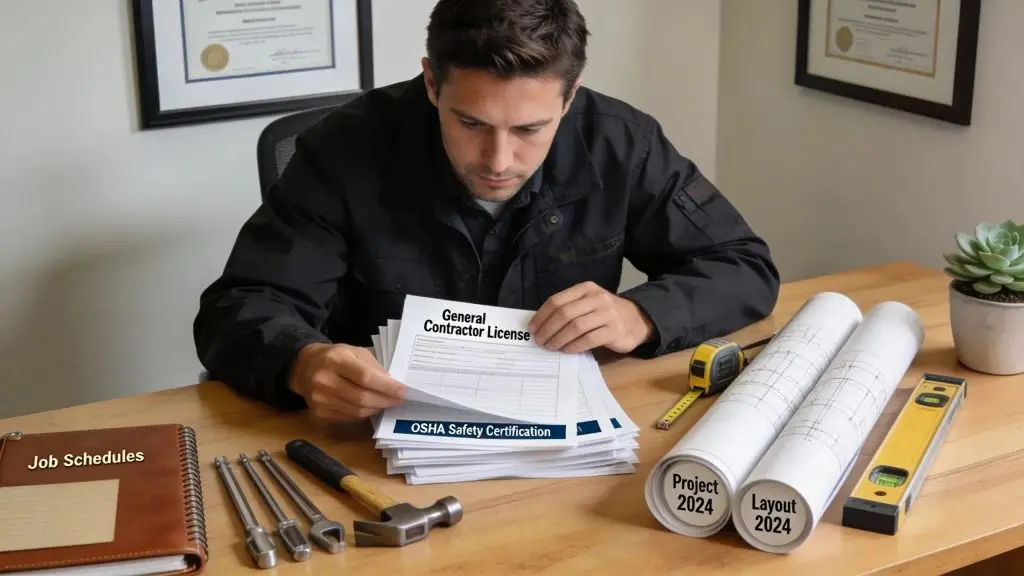
When vetting a contractor, their experience and qualifications play a crucial role in the selection process. Assessing these factors helps ensure that the contractor has the necessary expertise to execute your project seamlessly.
- Verify Experience with Similar Projects: Ensure the contractor has a track record of successfully managing projects similar in scope and complexity to yours, as this familiarity can significantly impact the project’s outcome.
- Check Relevant Certifications and Licenses: Confirm that the contractor possesses all required state and local licenses. This verification process assures you that the contractor complies with legal standards.
Licensing and Insurance
Licensing and insurance are essential components of contractor selection that protect homeowners from potential liabilities and ensure compliance with regulations.
- Confirm the Contractor’s Licenses: Before hiring, verify that the contractor holds the appropriate licenses for your type of project. This is often a requirement for operating legally within your jurisdiction.
- Ensure Adequate Insurance Coverage: It is imperative that contractors carry liability insurance and worker’s compensation to shield you from financial responsibility in case of accidents on-site.
Client Reviews and References
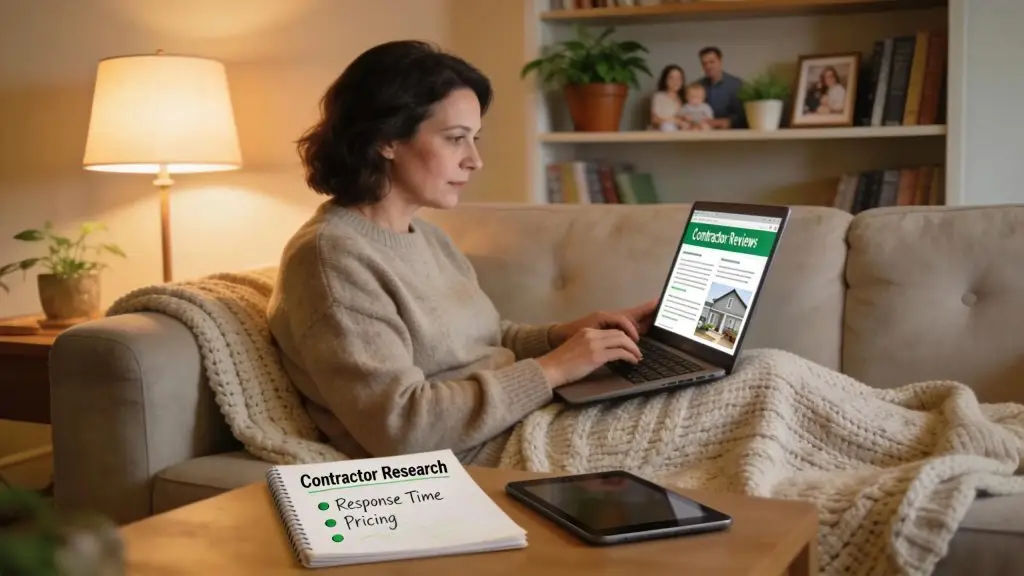
Client reviews and references serve as invaluable resources in evaluating a contractor’s past performance and client satisfaction levels.
- Read Online Reviews and Testimonials: Take the time to check online platforms for client feedback to gauge the contractor’s reliability and quality of work.
- Request and Follow Up on References: Obtaining direct references from previous clients allows you to delve deeper into the contractor’s work ethic, timeliness, and overall satisfaction.
Portfolio of Past Work
A contractor’s portfolio provides insight into their craftsmanship and design styles, which are critical in assessing their suitability for your project.
- Assess Quality and Style of Previous Projects: Reviewing a portfolio not only showcases a contractor’s aesthetic alignment with your vision but also highlights their ability to handle different project types.
Vetting Contractors for Luxury Projects: A $300k+ Checklist
Receiving detailed estimates can facilitate more informed comparisons between potential contractors, enabling you to make a sound decision based on clarity and transparency.
- Request Estimates Outlining Scope of Work: A comprehensive estimate will outline the project’s full scope, including materials, labor, and timelines.
- Compare Pricing and Services Offered: By reviewing multiple estimates, you can better understand the market rate and the value provided by each contractor.
Communication Skills
Effective communication is vital for a successful contractor-client relationship, helping to prevent misunderstandings and ensuring project transparency.
- Assess Responsiveness and Clarity: Gauge how promptly and clearly the contractor responds to your inquiries, as this is often indicative of their communication style during the project.
- Ensure Regular Updates Are Provided: A good contractor will establish a schedule for regular progress updates, keeping you informed throughout the construction process.
Project Management Approach
Understanding a contractor’s project management methodology can reveal how they plan and execute projects, thereby influencing your confidence in their abilities.
- Understand Scheduling and Documentation Practices: Inquire about their practices for scheduling and maintaining thorough documentation, as these are essential for accountability and tracking progress.
Contingency Planning
An essential aspect of a successful project is the contractor’s approach to unplanned events, which frequently arise during construction.
- How Do They Handle Unexpected Expenses: Discuss the contractor’s strategy for managing unforeseen costs, which can help you remain within budget.
Steps to Take During Contractor Selection Process
Effective contractor selection involves a series of strategic steps to ensure the chosen contractor aligns with your expectations and project requirements.
- Create a Shortlist of Potential Contractors: Start by compiling a list of contractors based on qualifications and client reviews.
- Schedule Meetings to Gauge Enthusiasm: Engage with shortlisted contractors to assess their enthusiasm and approach to your project, which can indicate their level of interest and commitment.
Tips for Maintaining Effective Communication with Contractors
Maintaining open lines of communication throughout your project is critical for addressing challenges and ensuring progress.
- Establish Clear Channels: Designate specific communication methods, whether it’s through email, calls, or text, to streamline interactions.
- Document Communications: Keep records of communications to help clarify discussions and agreements made throughout the project.
What Are the Key Steps in a Contractor Background Check for Luxury Home Projects?
Conducting a thorough background check on potential contractors is essential before making a final decision.
- Verify Licensing and Insurance: Double-check the legitimacy of their licenses and insurance coverage.
- Request References and Reviews: Follow up on reviews and references to gather firsthand accounts of previous clients’ experiences.
How to Verify Contractor Credentials and Licenses Effectively
To efficiently validate a contractor’s credentials, follow these actionable tips.
- Request Documentation From Contractors: Ask for copies of their licenses and certifications to examine their validity.
- Verify With Licensing Boards: Contact local licensing boards to ensure that the provided licenses are current and in good standing.
Which Insurance and Reference Checks Prevent Contractor Scams?
Ensuring your contractor has appropriate insurance is a key step in minimizing risk.
- Verify Insurance Coverage: Always ask for proof of insurance and verify details directly with the insurance provider to confirm coverage details.
- Check References Thoroughly: Conduct comprehensive reference checks to unearth any potential issues or concerns from previous clients.
What Are the Warning Signs of Contractor Fraud and Ghosting on $300k+ Projects?
Identifying red flags early can help you avoid costly mistakes when hiring a contractor.
- Look for Inconsistent Communication: A contractor who frequently fails to respond or provide clear answers may be one to avoid.
- Track Record of Failed Projects: Research the contractor’s history for any completed projects that failed to finish on time or within budget.
How to Identify Early Indicators of Contractor Ghosting
Spotting early signs of ghosting can help you take preventive measures.
- Regular Unresponsiveness: A noticeable pattern of delayed responses or avoidance in communication could signal potential ghosting.
- Lack of Schedule Adherence: If the contractor is frequently missing agreed-upon deadlines without valid reasons, it may be a cause for concern.
Which Contract Clauses and Milestones Protect Against Abandonment?
Incorporating specific clauses in your contract can safeguard against potential abandonment.
- Include Specific Milestones: Clearly defined milestones within your contract can help track progress and payment schedules.
- Define Clauses for Non-Compliance: Contracts should outline penalties for non-compliance to hold contractors accountable.
Which Questions Should You Ask Luxury Home Builders to Ensure Transparency?
Ensuring transparency in communication with your luxury home builder is essential for a successful collaboration.
- Inquire About Project Management Systems: Ask how they manage and track project progress to ensure a systematic approach.
- Discuss Communication Practices: Clarify the frequency and format of progress updates to maintain transparency.
What Communication Protocols Help Avoid Project Misunderstandings?
Establishing clear communication practices can minimize misunderstandings during your project.
- Establish Timelines for Updates: Define how often you expect updates and the medium of communication.
- Centralize Communication Tools: Utilize a shared platform to consolidate all project-related communications, ensuring everyone remains on the same page.
How to Assess a Builder’s Reputation and Past Project Management?
Effective project management ensures that your project runs smoothly in line with expectations.
- Review Past Client Testimonials: Look for specific examples of successful projects and satisfied clients to gauge the builder’s reputation.
- Request Detailed Project Histories: Obtain information on completed projects to assess the builder’s experience and reliability.
How to Use Communication Best Practices to Prevent Contractor Ghosting?
Implementing effective communication strategies can greatly reduce the chances of contractor ghosting.
- Establish Clear Expectations: Define your communication expectations beforehand to avoid misunderstandings later.
- Encourage Open Dialog: Foster an environment where both parties feel comfortable voicing concerns and questions.
What Meeting Schedules and Reporting Protocols Ensure Accountability?
Scheduling regular check-ins is essential to guarantee ongoing accountability throughout the project.
- Schedule Weekly Check-Ins: Set a recurring schedule for meetings to review progress and address any issues as they arise.
- Use Centralized Communication Tools: Implement collaborative tools that allow for easy access to project updates and tasks.
Which Client Communication Methods Promote Project Transparency?
Choosing the right communication methods can enhance project transparency and build trust.
- Establish Daily Photo Documentation: Notify clients about daily progress through shared photos, keeping them informed visually.
- Implement Transparent Pricing Structures: Clarify pricing at the outset to prevent misunderstandings related to cost throughout the project.