
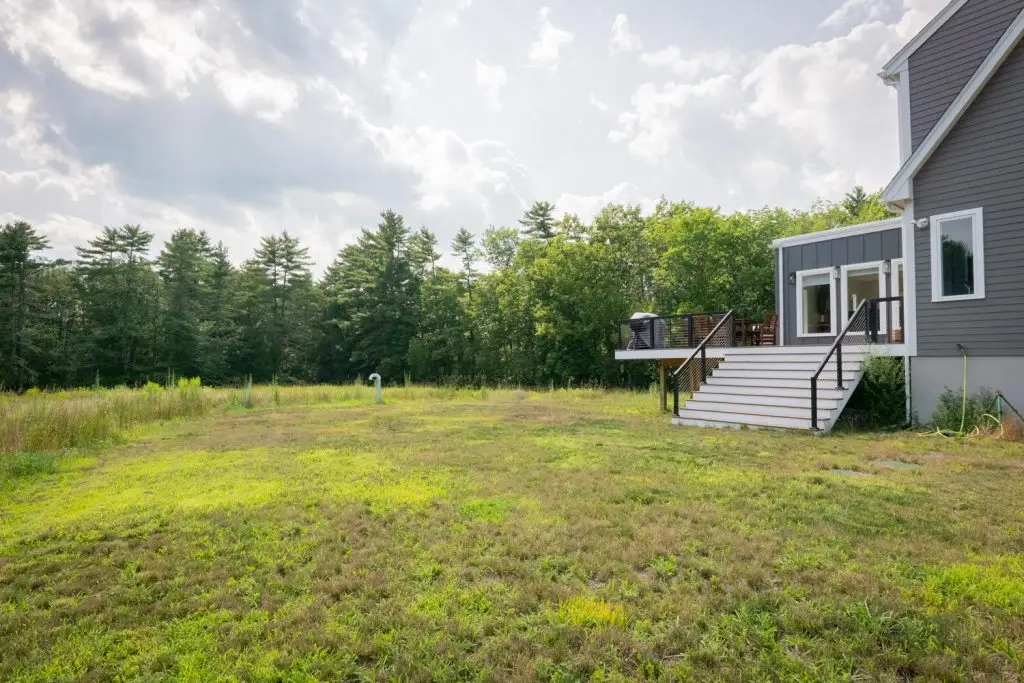
Seamless Home Extensions Through Expert Attached ADU Management
Attached Accessory Dwelling Units (ADUs) are innovative home extensions that provide additional living space while enhancing property value. These structures, seamlessly integrated into existing homes, offer a practical solution for families seeking more room without the need for a complete relocation. This article will explore the benefits of attached ADUs, the role of construction management in their successful implementation, and the necessary permits and regulations involved in the process. By understanding these aspects, homeowners can make informed decisions about their property and maximize the potential of their living spaces.
What Are Attached Accessory Dwelling Units and Their Benefits?
Attached ADUs, also known as connected ADUs, are secondary housing units that share a wall with the primary residence. They provide a unique opportunity for homeowners to expand their living space without the challenges associated with detached units. The benefits of attached ADUs include increased property value, enhanced living space, and the potential for rental income.
How Do Attached ADUs Enhance Home Value and Living Space?
Attached ADUs significantly enhance home value by adding functional space that can be used for various purposes, such as guest accommodations, home offices, or rental units. Research indicates that properties with ADUs can see a value increase of up to 20%. Additionally, they provide homeowners with the flexibility to accommodate changing family needs, making them a valuable investment in the long term.
What Makes Seamless Home Extensions Different from Detached ADUs?
Seamless home extensions, like attached ADUs, differ from detached units in several key ways. First, they integrate more naturally with the existing structure, maintaining the aesthetic and functional flow of the home. Second, they are often more cost-effective, as they utilize existing utilities and infrastructure. Lastly, attached ADUs offer greater convenience of access, allowing for easier movement between the main house and the extension.
How Does Construction Management Ensure Successful Attached ADU Projects?
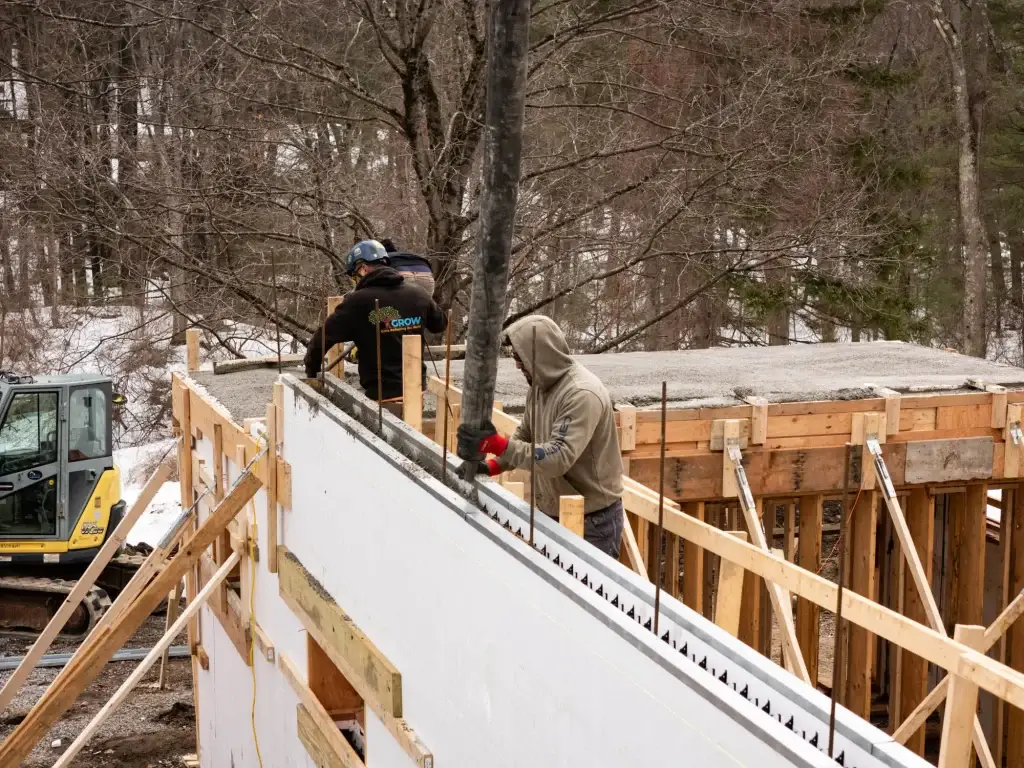
Construction management plays a crucial role in the successful execution of attached ADU projects. It involves overseeing the entire construction process, ensuring that projects are completed on time, within budget, and in compliance with local regulations. Effective construction management can help mitigate risks and streamline communication among all parties involved.
In the context of efficient project execution, some research emphasizes the benefits of specific construction methodologies, such as modular approaches, for ADU development.
Modular Construction Methods for Attached ADUs
ADUs are either attached or detached to an existing home on the same property. As the demand for ADUs grows, it is critical to use modular construction methods for ADU production to
Potentials and challenges of accessory dwelling units using modular construction, H Dang, 2021
What Are the Key Phases in ADU Construction Management?
The key phases in ADU construction management include:
| Phase | Task Description | Outcome |
|---|---|---|
| Planning | Initial design and feasibility studies | Clear project scope and budget |
| Execution | Actual construction and implementation | Completed ADU ready for use |
| Completion | Final inspections and approvals | Project handover to the owner |
These phases ensure that every aspect of the project is carefully considered and executed, leading to a successful outcome.
How Does Bradford Construction Management Coordinate Contractors and Compliance?
Bradford Construction Management specializes in overseeing construction projects with a focus on attached ADU solutions that provide seamless home extensions. The company coordinates contractors by establishing clear communication channels and ensuring that all parties understand their roles and responsibilities. Compliance with local building codes and regulations is also a priority, as it helps avoid costly delays and legal issues.
What Permits and Regulations Are Required for Attached ADU Home Extensions?
Understanding the permits and regulations required for attached ADUs is essential for homeowners. These requirements can vary significantly by location, making it crucial to consult local authorities before beginning construction.
Which Building Permits Are Needed for Attached ADU Construction?
Typically, homeowners will need to obtain several building permits, including:
- Building Permit: Required for any structural changes to the property.
- Electrical Permit: Necessary for any electrical work involved in the ADU.
- Plumbing Permit: Required if plumbing is being added or modified.
These permits ensure that the construction meets safety and zoning standards.
How Does Compliance with Local Zoning Impact ADU Projects?
Compliance with local zoning regulations is critical for the success of ADU projects. Zoning laws dictate where ADUs can be built, their size, and their intended use. Homeowners must be aware of these regulations to avoid potential fines or the need to alter their plans significantly.
How Can Property Owners Benefit from ADU Project Consultation Services?
Consultation services for ADU projects can provide homeowners with valuable insights and guidance throughout the planning and construction process. These services help ensure that projects align with the homeowner’s vision while adhering to local regulations.
What Is the Consultation Process for Planning Connected ADU Designs?
The consultation process typically involves several steps:
- Initial Consultation: Discussing the homeowner’s needs and preferences.
- Design Development: Creating plans that reflect the homeowner’s vision while considering zoning regulations.
- Finalization: Reviewing and approving the designs before construction begins.
This structured approach helps streamline the project and ensures that all parties are on the same page.
How Does Early Consultation Improve Budgeting and Timeline Accuracy?
Engaging in early consultation can significantly improve budgeting and timeline accuracy. By identifying potential challenges and costs upfront, homeowners can avoid unexpected expenses and delays. This proactive approach leads to a smoother construction process and a more successful project outcome.
Ready to Transform Your Home with an Attached ADU?
Partner with Bradford Construction Management for expert guidance and seamless execution of your attached ADU project. Our experienced team ensures your home extension is completed on time, within budget, and compliant with all regulations.