Complete Guide to ADU Construction in Massachusetts: Costs, Regulations & Benefits
Accessory Dwelling Units (ADUs) have become a popular solution for homeowners in Massachusetts looking to maximize their property’s potential. This comprehensive guide will explore the various aspects of ADU construction, including costs, regulations, and the benefits they offer. By understanding the intricacies of ADUs, homeowners can make informed decisions about their construction projects. Many individuals face challenges in navigating the complex landscape of zoning laws and construction costs, but this guide aims to provide clarity and actionable insights. We will cover the definition and types of ADUs, key regulations, cost breakdowns, benefits, and how Bradford Construction Management can assist in your ADU project.
What Are Accessory Dwelling Units and Their Types in Massachusetts?
Accessory Dwelling Units (ADUs) are secondary housing units located on the same lot as a primary residence. They can serve various purposes, such as providing rental income, accommodating family members, or creating a home office. Understanding the different types of ADUs is essential for homeowners considering this option.
How Is an ADU Defined Under Massachusetts Law?
Under Massachusetts law, an ADU is defined as a separate living space that includes essential facilities such as a kitchen, bathroom, and living area. This legal definition allows homeowners to create additional housing options while adhering to local zoning regulations. The implications of this definition are significant, as it establishes the framework for what constitutes an ADU and the requirements for construction.
What Are the Common ADU Types: Detached, Attached, and Conversions?
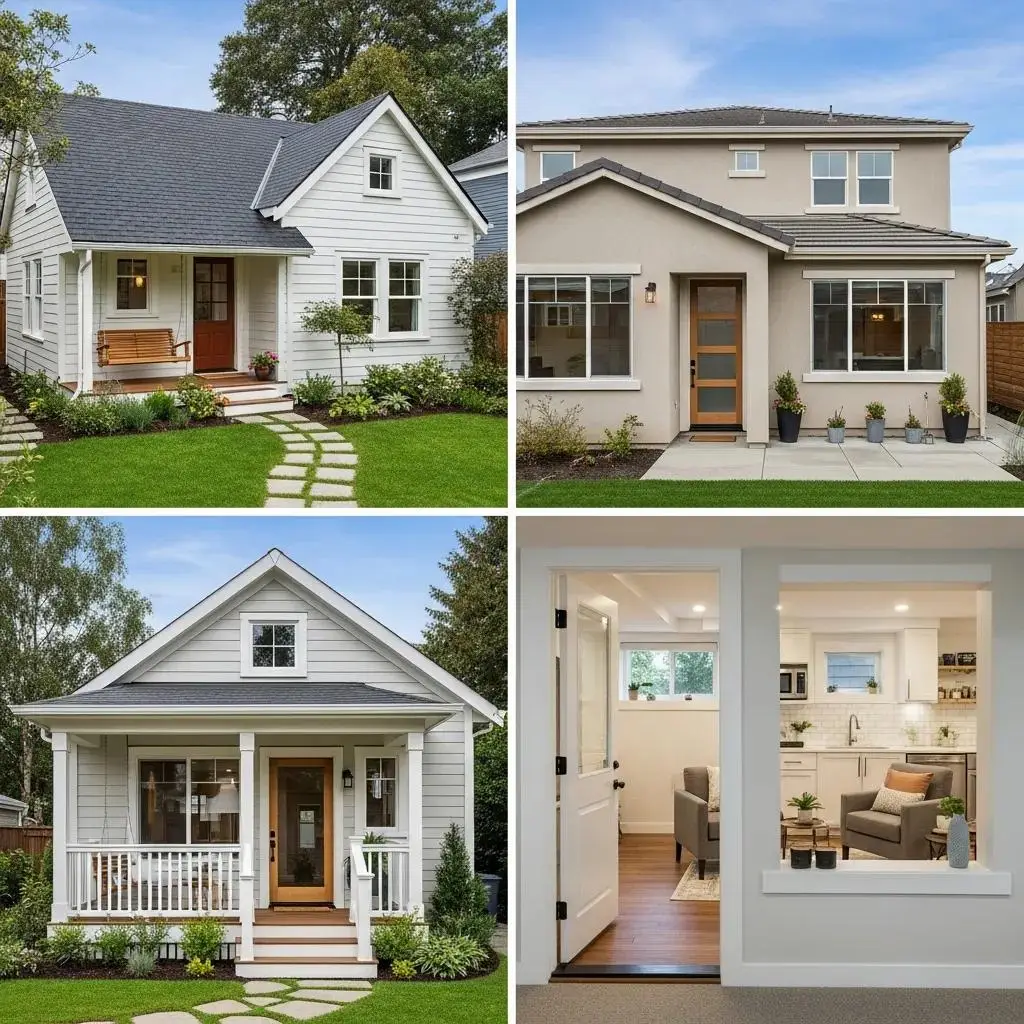
There are several common types of ADUs in Massachusetts, each with unique characteristics:
- Detached ADUs: Standalone structures separate from the main house, often resembling small cottages or guest houses.
- Attached ADUs: Integrated into the existing home, such as a converted garage or an extension of the main living space.
- Conversions: Existing spaces within the home, like basements or attics, transformed into livable units.
These options provide flexibility for homeowners to choose the best fit for their property and needs.
What Are the Key Massachusetts ADU Regulations and Permitting Requirements?
Navigating the regulatory landscape is crucial for successful ADU construction in Massachusetts. Homeowners must be aware of the various regulations and permitting requirements that govern ADU projects.
How Do Local Zoning Rules Affect ADU Projects in Haverhill, Newburyport, and Exeter NH?
Local zoning rules play a critical role in determining the feasibility of ADU projects in specific towns like Haverhill and Newburyport, Massachusetts, and Exeter, New Hampshire. Each municipality has its own set of regulations regarding the size, design, and placement of ADUs. Homeowners must consult local zoning boards to ensure compliance with these rules, which can vary significantly from one location to another. Note that Exeter, NH, is in a different state and governed by New Hampshire zoning laws, which differ from Massachusetts regulations.
Further research highlights the intricate nature of these local regulations and the varying approaches municipalities take regarding ADU zoning bylaws and special permits.
Massachusetts ADU Zoning Bylaws & Special Permits
The research aims to address the question, in each of the 351 Massachusetts municipalities, what is the availability of ADU zoning bylaws, and what are the characteristics of reported ADU zoning bylaws under the “special permit” process.
A Legal Mapping Analysis and Model Bylaw of Massachusetts Municipal Accessory Dwelling Units, 2022
How Much Does ADU Construction Cost in Massachusetts?
Understanding the costs associated with ADU construction is vital for homeowners planning their projects. The overall expenses can vary based on several factors, including the type of ADU, materials used, and labor costs.
What Is the Average Cost Range for Different ADU Types in MA?
The average cost for constructing an ADU in Massachusetts typically ranges from $220,000 to $300,000, depending on the type and complexity of the project. Here’s a breakdown of costs by type:
| ADU Type | Average Cost Range |
|---|---|
| Detached ADU | $280,000 – $425,000+ |
| Attached ADU | $120,000 – $320,000 |
| Conversion | $100,000 – $275,000 |
Cost ranges shown are general estimates based on typical ADU projects in Eastern Massachusetts as of early 2026. Actual costs vary based on site conditions, design choices, materials, municipal requirements, and project scope. These figures are not a quote or guarantee of pricing. Contact us for a project-specific estimate.
What Are the Detailed Cost Components: Permits, Materials, Labor, and Utilities?
Several key components contribute to the overall cost of ADU construction:
- Permitting Costs: Fees associated with obtaining the necessary permits can range from $500 to $3,000, depending on the municipality.
- Material Costs: The quality and type of materials chosen for construction can significantly impact the budget, with costs varying widely based on preferences.
- Labor Costs: Hiring skilled labor for construction can account for 30-50% of the total project cost, depending on the complexity of the build.
- Utility Connections: Connecting the ADU to existing utilities (water, electricity, gas) can add an additional $5,000 to $20,000 to the overall cost.
Understanding these components helps homeowners budget effectively for their ADU projects.
What Are the Benefits of Building an ADU in Massachusetts?

Building an ADU offers numerous benefits for homeowners, making it an attractive option for many.
Indeed, the broader implications of ADUs extend beyond individual property owners, offering significant community advantages while also facing common regulatory hurdles.
ADU Benefits & Zoning Barriers for Small Housing
Accessory dwelling units and micro apartments are two typologies of small housing which have recently gained prominence. This paper finds that these two typologies have the potential to offer significant benefits to communities by providing affordable housing, decreasing the environmental impact of new construction and by providing options to diversify the homogeneous American housing stock. Several major barriers are identified which hinder the implementation of these small housing typologies, including neighborhood resistance, institutional uncertainty and hostile zoning and planning codes.
Towards a smaller housing paradigm: a literature review of accessory dwelling units and micro apartments, 2018
How Can ADUs Generate Rental Income and Increase Property Value?
One of the primary advantages of constructing an ADU is the potential for rental income. Homeowners can rent out the unit to tenants, providing a steady stream of income that can help offset mortgage payments or other expenses. Additionally, having an ADU can increase the overall value of the property, making it a wise investment for the future.
What Lifestyle Benefits Do ADUs Offer for Multi-Generational Living and Home Offices?
ADUs also provide valuable lifestyle benefits, particularly for families seeking multi-generational living solutions. They offer a private space for elderly parents or adult children while maintaining independence. Furthermore, with the rise of remote work, many homeowners are converting ADUs into home offices, creating a dedicated workspace that enhances productivity without sacrificing home comfort.
How Does Bradford Construction Management Support Your ADU Project in Massachusetts?
Bradford Construction Management specializes in guiding homeowners through the ADU construction process, ensuring a smooth and efficient experience.
What Is Bradford CM’s Design-Build Process for ADU Construction?
Bradford CM employs a comprehensive design-build process that streamlines project management from initial consultation to final construction. This approach includes:
- Initial Consultation: Understanding the homeowner’s vision and requirements.
- Design Phase: Collaborating with architects to create a functional and aesthetically pleasing ADU design.
- Construction Phase: Managing all aspects of construction, ensuring quality and adherence to timelines.
This integrated process minimizes delays and enhances communication between all parties involved.
Which ADU Projects Has Bradford CM Completed in Massachusetts?
Bradford CM has successfully completed numerous ADU projects across Massachusetts, showcasing a diverse portfolio that highlights their expertise. From detached units to conversions, their projects demonstrate a commitment to quality and client satisfaction. Homeowners can view case studies and images of completed projects to gain inspiration and confidence in their own ADU endeavors.
How Can You Get Started with Your ADU Construction Project in Massachusetts?
Taking the first steps toward building an ADU can seem daunting, but with the right guidance, it can be a straightforward process.
What Financing Options Are Available for Massachusetts ADU Projects?
Homeowners have several financing options available for ADU construction, including:
- Home Equity Loans: Leveraging existing home equity to fund the project.
- Construction Loans: Short-term loans specifically for financing the construction phase.
- Grants and Subsidies: Exploring local and state programs that may offer financial assistance for ADU projects.
Understanding these options can help homeowners choose the best financial path for their needs.
Despite the available financing avenues, it’s important to acknowledge that securing funding for ADU construction can present significant challenges for many homeowners.
How Do You Request a Consultation with Bradford Construction Management?
To initiate a consultation with Bradford Construction Management, homeowners can reach out through their website or contact them directly. During the consultation, homeowners can discuss their ideas, ask questions, and receive expert advice on the next steps for their ADU project.