ADU Costs, ROI & Permitting Insights for North Shore MA & Southern NH
Accessory Dwelling Units (ADUs) have become increasingly popular among homeowners in North Shore Massachusetts and Southern New Hampshire. This comprehensive guide, informed by industry expertise, will explore the costs associated with ADUs, the potential return on investment (ROI), and the intricate permitting process involved. Homeowners will learn how to navigate the complexities of ADU construction, ensuring they make informed decisions that enhance their property value and meet local regulations. As the demand for housing solutions grows, understanding the financial implications and legal requirements of ADUs is essential. This article will cover average costs, factors influencing expenses, maximizing ROI, current permitting regulations, and how Bradford Construction Management, a trusted local expert, can assist in the process.
What Are the Average ADU Costs in Massachusetts and New Hampshire?
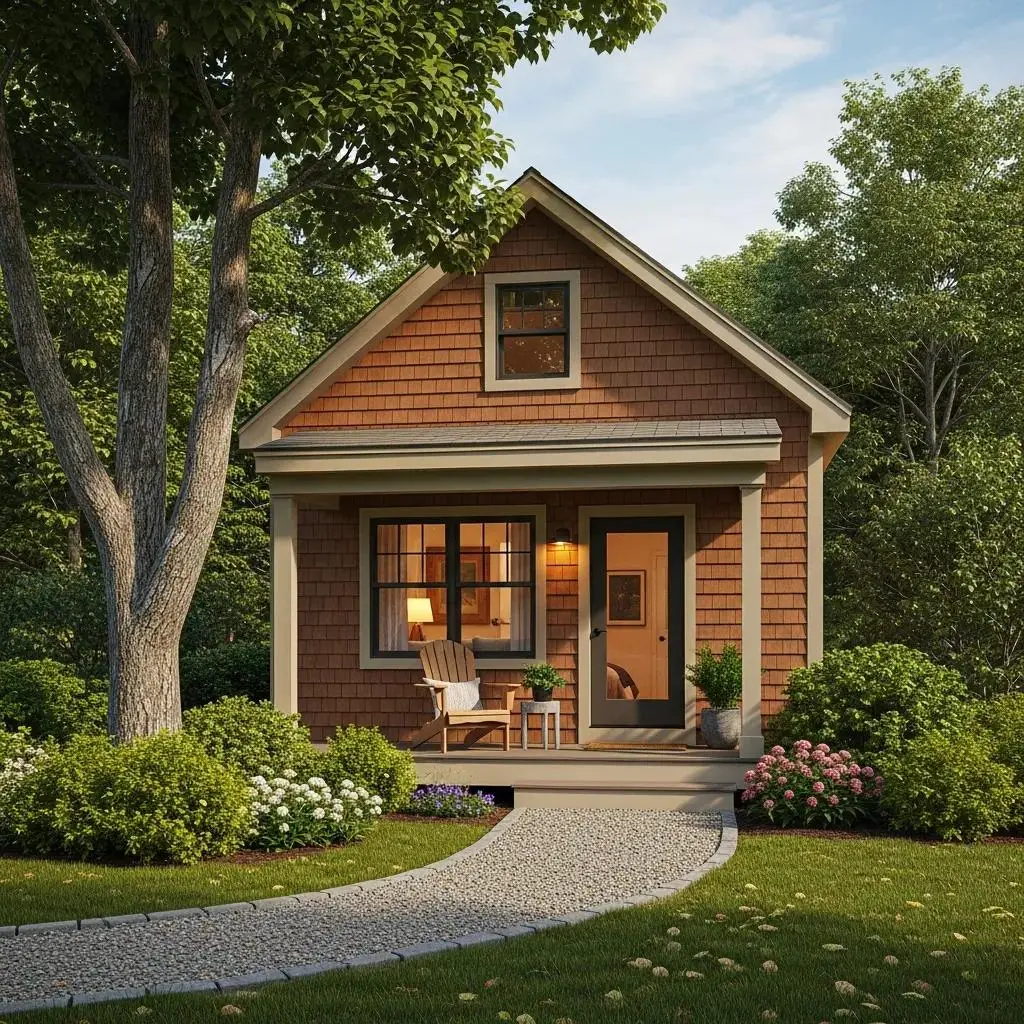
New-build ADU construction in our region starts around $400 per square foot. That puts a single-story unit in the 514 to 600 square foot range at roughly $205,000 to $240,000, and a two-story unit between 726 and 900+ square feet at about $290,000 to $400,000 or more, depending on finishes and site conditions.
Here is how the main project types compare:
- Detached new-build ADU: starts around $205,000 for a compact single-story design. Larger two-story units run $290,000 to $400,000+.
- Attached ADU or addition-style unit: often less than a detached build because it shares a wall, foundation work, and utility runs with the main house. Scope drives the number more than square footage here.
- Garage conversion: typically starts around $75,000 to $80,000, since the shell already exists.
The biggest cost swings come from site work, not the building itself. Septic upgrades, utility connections, and excavation vary widely from one property to the next, which is why two identical ADUs on different lots can end up thousands of dollars apart.
Bradford prices ADU projects on a transparent cost-plus delivery model. Before construction begins, you get a detailed estimated not-to-exceed budget covering design, materials, labor, and site work. Changes are documented and approved in writing before they happen.
Ranges shown are general estimates. Actual pricing varies by project scope, site conditions, and finish level. You’ll receive detailed, transparent pricing as part of your initial consultation and project quote.
How Do Detached, Attached, and Conversion ADU Costs Compare?

When considering the type of ADU, costs can differ substantially. Below is a comparison of the average costs associated with different types of ADUs:
| ADU Type | Average Cost Range | Description |
|---|---|---|
| Detached ADU | $200,000 – $350,000 | Standalone units built on the property, often requiring new utility connections. |
| Attached ADU | $200,000 – $300,000 | Units added to the existing structure, sharing walls and potentially utilities. |
| Conversion ADU | $90,000 – $150,000 | Existing spaces, such as basements or garages, converted into living units, often the most cost-effective. |
This table illustrates that detached ADUs tend to be the most expensive due to the need for additional construction and infrastructure, while conversions can be more cost-effective by leveraging existing structures.
Disclaimer: The cost ranges presented are general estimates. Actual project costs are highly dependent on the specific scope of work, chosen materials, site-specific challenges, and the prevailing market rates in your particular area within North Shore MA or Southern NH.
What Factors Influence ADU Construction Costs in North Shore MA and Southern NH?
Several critical factors can impact the overall cost of constructing an ADU, requiring careful consideration during the planning phase:
- Site Conditions: The geographical and environmental characteristics of the property can significantly affect construction costs. For example, a sloped lot may require extensive grading, retaining walls, and specialized foundation work, adding considerable expense.
- Design Choices: Custom designs, architectural complexity, and high-end finishes (e.g., premium cabinetry, smart home technology, luxury flooring) can significantly increase costs. Homeowners should balance their aesthetic preferences with their budget when selecting materials and layouts.
- Local Regulations and Permitting: Zoning laws, building codes, and specific permitting requirements vary by municipality and can influence costs. Understanding these regulations is essential for accurate budgeting and avoiding costly delays or redesigns.
- Utility Connections: The need to extend or upgrade existing utility lines (water, sewer, electricity, gas) to the ADU can be a major cost driver, especially for detached units.
- Material and Labor Costs: Fluctuations in the cost of construction materials and local labor rates can impact the final price.
These factors highlight the importance of thorough planning and consultation with experienced professionals to ensure a successful and budget-conscious ADU project.
How Can Homeowners Maximize Return on Investment from Their ADU?
Investing in an ADU can yield significant returns, both financially and in terms of property value. Homeowners can enhance their ROI by considering various strategic approaches and consulting with real estate and financial experts.
In What Ways Does an ADU Increase Property Value in Massachusetts and New Hampshire?
ADUs can substantially increase property value, often by 15-25% or more, depending on the quality and market demand. This increase is driven by the growing demand for multi-generational living solutions, flexible living spaces, and attractive rental opportunities. Properties with well-designed and legally permitted ADUs are highly attractive to buyers looking for additional living space, a dedicated home office, or income-generating potential, making them a valuable asset in competitive markets.
What Rental Income Can ADUs Generate in North Shore MA and Southern NH?
Homeowners can also benefit significantly from the rental income generated by their ADUs. In North Shore MA and Southern NH, average rental prices for ADUs typically range from $1,200 to $2,200 per month, depending on the unit’s size, amenities, and specific location. This consistent income stream can help offset construction costs, contribute to mortgage payments, and provide a steady revenue source, significantly improving the financial viability of the investment.
Bradford Construction Management specializes in helping homeowners maximize their ADU investments through thoughtful design and efficient construction. With a focus on transparency and fixed pricing, they ensure that clients understand the financial implications of their projects from the outset.
What Are the Latest ADU Permitting Regulations in Massachusetts and New Hampshire?

Understanding the permitting process is crucial for homeowners looking to build an ADU. Recent legislative changes have aimed to simplify regulations, but local variations and specific requirements still necessitate careful attention.
How Does the Massachusetts ADU Law 2023 Simplify Permitting?
The Massachusetts ADU Law, enacted in 2023 as part of the Housing Choice Act, represents a significant step towards streamlining the permitting process. This landmark legislation aims to reduce barriers by allowing homeowners to bypass certain restrictive local zoning bylaws, making it easier to obtain approval for ADUs. The law promotes the creation of ADUs statewide, simplifying the approval process and reducing extensive delays, thereby encouraging more homeowners to consider this valuable housing option.
What Is the ADU Permitting Process in Southern New Hampshire?
In Southern New Hampshire, the permitting process for ADUs typically involves several key steps, which can vary slightly by town or city:
- Pre-Application Consultation: Homeowners are strongly advised to meet with local planning officials early in the process to discuss their project, understand specific municipal requirements, and identify potential challenges.
- Submission of Detailed Plans: Comprehensive plans must be submitted for review, including site plans, architectural drawings, engineering specifications, and utility layouts.
- Review by Relevant Departments: Plans are reviewed by various departments, including planning, zoning, building, health, and fire, to ensure compliance with all local and state codes.
- Public Hearing (If Required): Some projects, particularly those requiring variances or special exceptions, may necessitate a public hearing, allowing community members to voice their opinions.
- Permit Issuance: Once all approvals are secured and conditions are met, the necessary building permits are issued, allowing construction to commence.
Understanding and meticulously following these steps, often with professional guidance, can help homeowners navigate the permitting process more effectively and avoid costly setbacks.
How Does Bradford Construction Management Support ADU Projects in North Shore MA and Southern NH?
Bradford Construction Management plays a vital and comprehensive role in supporting homeowners throughout the entire ADU construction process. Their expertise ensures that projects run smoothly, efficiently, and to the highest standards.
What Is Bradford’s Transparent Pricing and Fixed Contract Model for ADUs?
Bradford Construction Management distinguishes itself by offering a transparent pricing model that includes fixed contracts for ADU projects. This client-centric approach allows homeowners to understand their financial commitments upfront, providing clarity and significantly reducing the risk of unexpected costs or budget overruns during construction. This commitment to financial transparency builds trust and ensures peace of mind for clients.
How Does Bradford Handle Permitting and Post-Completion Maintenance?
Bradford Construction Management provides invaluable assistance with the often-complex permitting process, ensuring all necessary documentation is prepared accurately and submitted correctly to local authorities. Beyond construction, they also offer comprehensive post-completion maintenance services, providing ongoing support and peace of mind for homeowners who want to ensure their ADUs remain in excellent condition and continue to perform optimally for years to come.
What Financing Options Are Available for ADU Construction in Massachusetts and New Hampshire?
Financing an ADU can be a significant concern for homeowners, but fortunately, several viable options are available to help fund construction, catering to various financial situations.
Which Common ADU Financing Methods Should Homeowners Consider?
Homeowners can explore a range of financing methods, each with its own advantages:
- Home Equity Loans or Lines of Credit (HELOCs): Utilizing the equity built up in their primary residence can provide a cost-effective source of funds for ADU construction, often with favorable interest rates.
- Personal Loans: Unsecured personal loans can be a quicker way to access funds, though they may come with higher interest rates compared to secured options.
- Construction Loans: These specialized loans are specifically designed for new home construction or major renovation projects and can cover the phased costs of building an ADU, converting to a traditional mortgage upon completion.
- Cash-Out Refinance: Refinancing an existing mortgage for a larger amount and taking the difference in cash can fund an ADU, potentially at a lower interest rate than other options.
- ADU-Specific Loan Programs: Some lenders or government programs may offer loans tailored specifically for ADU development, which are worth investigating.
How Does Bradford Construction Assist with Financing ADU Projects?
Bradford Construction Management offers expert guidance on navigating the various financing options available, helping homeowners understand the complexities of securing funding for their ADU projects. While not direct lenders, their extensive experience allows them to connect clients with reputable financial institutions and advise on the best financing strategies to meet individual needs, ensuring clients can make informed decisions about the most suitable funding methods.
How to Choose the Right ADU Builder in North Shore MA and Southern NH?
Selecting the right builder is paramount for the success of an ADU project, as it directly impacts quality, budget, and timeline. Homeowners should consider several critical factors when making this crucial choice.
What Qualities Should Homeowners Look for in an ADU Contractor?
When evaluating potential contractors, homeowners should prioritize the following qualities to ensure a successful partnership:
- Specialized Experience: A contractor with a proven track record specifically in ADU construction will possess the necessary skills, knowledge of local regulations, and understanding of the unique challenges involved.
- Transparency and Communication: Clear, consistent communication about pricing, project timelines, potential challenges, and progress updates is essential for a successful and stress-free partnership.
- Comprehensive Portfolio and References: Reviewing past ADU projects can provide invaluable insight into a contractor’s quality of work, design capabilities, and client satisfaction. Always request and check references.
- Licensing, Insurance, and Warranties: Ensure the contractor is fully licensed, bonded, and insured. Inquire about warranties on their work for long-term peace of mind.
- Fixed Pricing Model: A builder offering a fixed-price contract demonstrates confidence in their estimates and helps homeowners avoid unexpected costs.
Why Is Bradford Construction Management a Leading ADU Builder in the Region?
Bradford Construction Management stands out as a leading and highly respected ADU builder in North Shore MA and Southern NH due to their unwavering commitment to quality, customer satisfaction, and project excellence. Their focus on transparency, exemplified by their fixed pricing model, coupled with comprehensive support throughout the entire construction process—from initial design and permitting assistance to post-completion maintenance—makes them a trusted and unparalleled choice for homeowners looking to build a high-quality, value-adding ADU. Their expertise ensures a seamless and rewarding experience, solidifying their reputation as an industry leader.