
By Rick White, Bradford Construction Management
Creating a “custom home” requires careful planning and thorough documentation to avoid misunderstandings about costs and expectations. A well-defined scope of work is essential to accurately estimate prices and keep a project on track. This article explores the key components that should be included in your custom home scope before pricing, emphasizing the importance of preconstruction planning. Readers will learn about the necessary inclusions and exclusions, how detailed scope helps manage costs, and the specific requirements for building in Massachusetts. Ultimately, this guide aids homeowners in navigating the complexities of custom home pricing and ensures a smooth construction process.
What Are the Key Scope of Work Inclusions in a Custom Home Estimate?
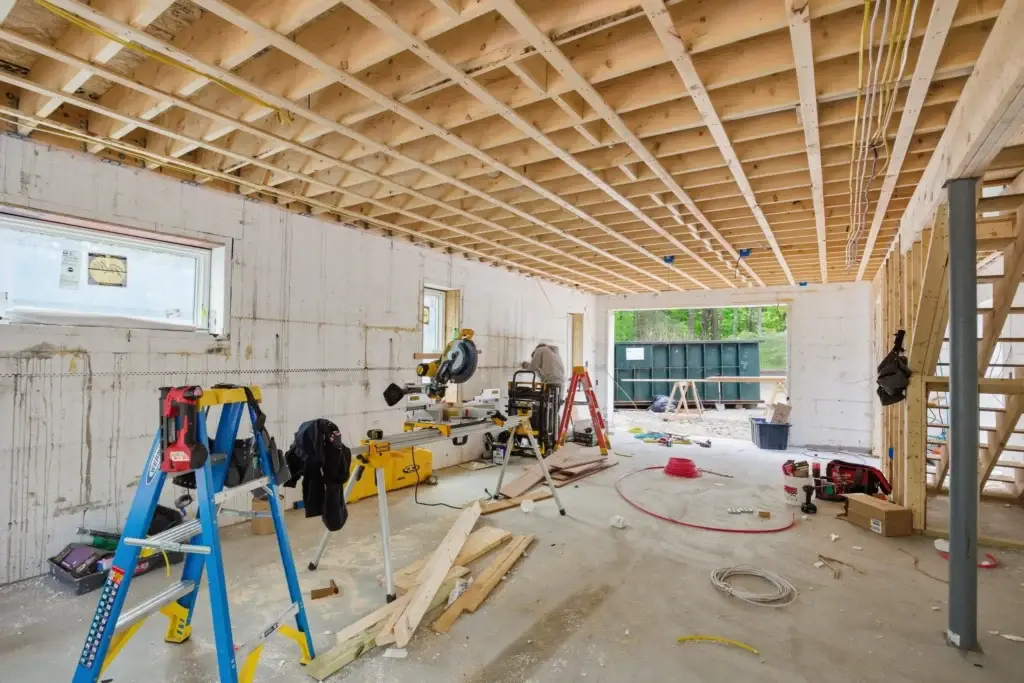
A comprehensive custom home scope of work includes several critical elements that influence the overall estimate. Properly documenting these inclusions ensures that all expectations are aligned and the budget reflects actual needs. Key items to consider typically include:
- Septic System Requirements: Understanding local regulations can prevent unexpected costs.
- Water Source Confirmation: Clearly defining the water supply options avoids future disputes.
- Electrical Service Assessment: Evaluating electrical needs ensures all requirements are met ahead of time.
Including these detailed components in the initial planning stages can enhance transparency and accuracy in the estimation process. For those looking for expert guidance, “Bradford Custom Management” can assist in navigating these essential inclusions.
Industry research highlights how formalizing these project parameters early on serves as a vital safeguard against unforeseen financial burdens.
Defining Scope to Reduce Cost Risk in Home Construction different perspectives on cost risk and scope definition. Preliminary Cost Estimation and Reconciliation Practices in Construction Management at Risk (CMAR), 2026
Which Construction Phases Should Be Detailed in Your Scope of Work?
Detailing each construction phase is crucial to delivering a clear picture of the project timeline and requirements. Homeowners should ensure that the following phases are included:
- Foundation Work Specifics: This includes excavation, footings, and waterproofing details.
- Framing and Roofing Details: Documenting materials and methods prevents variations later on.
- Mechanical Systems Installations: Clearly specifying HVAC, plumbing, and electrical systems supports performance expectations.
By addressing these phases in your scope, the project can proceed with a clearer understanding of each stage’s requirements and associated costs.
How Do Scope Inclusions Affect Custom Home Pricing Accuracy?
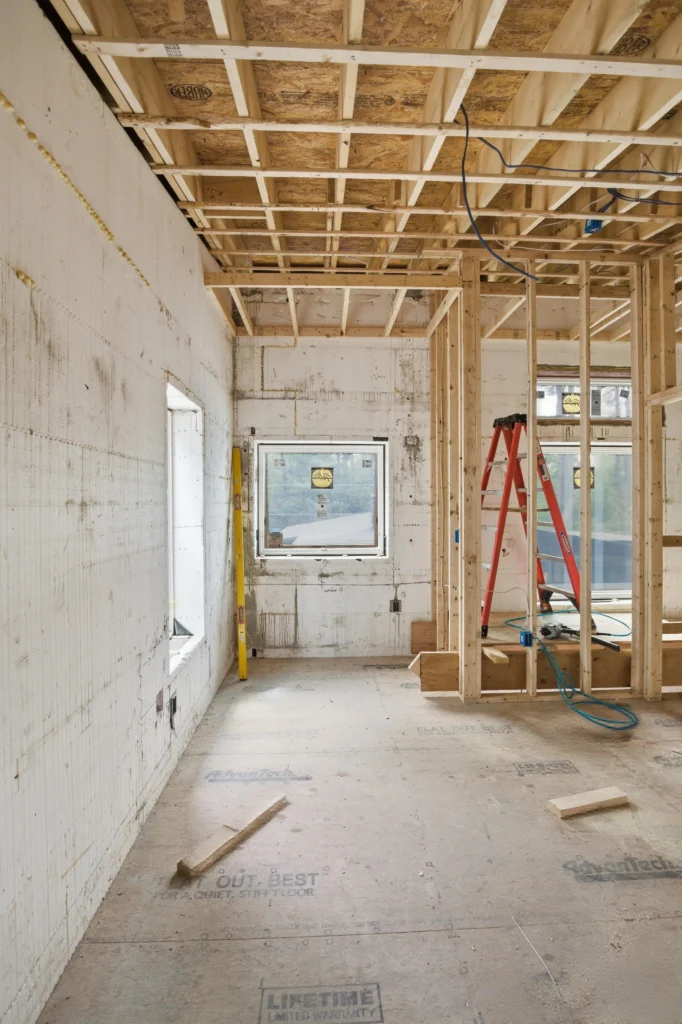
Inclusions in the scope of work significantly impact pricing accuracy. When homeowners provide detailed information about their needs, they can avoid common pitfalls associated with vague specifications. These benefits include:
- Impact of Inclusions on Budget: More detailed inclusions typically lead to more accurate pricing, which reduces the likelihood of budget overruns.
- Common Pitfalls with Incomplete Scopes: Omitting critical elements can result in costly change orders during construction.
- Benefits of Thorough Documentation: Well-documented projects enhance communication between homeowners and contractors, clarifying expectations and reducing the risk of conflicts.
Accurate inclusions are vital for maintaining budget control and ensuring that all necessary elements are accounted for before construction begins.
What Are Common Scope Exclusions to Identify Before Pricing Your Custom Home?
There are also common exclusions in custom home scopes that homeowners should be aware of during the planning phase. Identifying them early can prevent misunderstandings when budgeting. Key exclusions to consider include:
- Landscaping Exclusions: Often, landscaping costs are separate and should be planned for distinctly.
- Septic and Water System Costs: These can sometimes be excluded, necessitating separate budgeting.
- Electrical Service Additional Needs: Homeowners must account for any extras beyond the basic package during price estimation.
Understanding these potential exclusions can aid in creating a more accurate overall budget. Our comprehensive “services” help identify potential gaps early in the project timeline.
Which Work Items Are Typically Excluded from Custom Home Scopes?
Specific items are frequently omitted from custom home construction scopes, which can lead to unexpected costs. Awareness of these can help keep budgeting on track. Typical exclusions include:
- Common Misunderstandings About Inclusions: For instance, many assume certain finishes are included when they are not.
- Potential Additional Costs: Items like upgraded fixtures often incur additional fees.
- Importance of Clarity: Clearly stating what is and is not included helps avoid disputes.
Properly communicating about these exclusions during the planning phase is essential for budget accuracy.
How Do Exclusions Influence Final Budgeting and Timeline Expectations?
Exclusions can lead to significant implications for both budgeting and project timelines. Homeowners should be aware of the following considerations:
- Financial Implications of Omissions: Exclusions often lead to unanticipated expenses, which can overwhelm initial budgets.
- Timeline Impacts of Late Discoveries: Discovering excluded items midway through construction can delay progress.
- Case Studies of Common Issues: Reviewing case studies where exclusions affected projects can provide valuable lessons for future planning.
Being transparent about exclusions can help set realistic expectations for both costs and timing.
How Does Preconstruction Planning in Massachusetts Shape Your Custom Home Scope?
In Massachusetts, preconstruction planning is necessary and directly influences the scope of work for custom homes. Vital considerations include:
- Local Building Codes: Understanding and adhering to these codes ensures compliance and smooth project execution.
- Permit Requirements for Construction: Securing the necessary permits before starting work can prevent project delays.
- Best Practices for Compliance: Engaging with knowledgeable professionals can streamline the planning process and help navigate local regulations.
Effective planning aligned with Massachusetts regulations reduces risks and enhances project outcomes.
What Massachusetts Building Requirements Must Be Included in the Scope?
Crafting an effective custom home scope also involves understanding Massachusetts-specific building requirements. Important components include:
- Foundation As-Built Survey: Ensuring that the foundation adheres to the required standards and is documented properly.
- Certified Plot Plans: Necessary for all new constructions to verify land use and zoning compliance.
- Building Permit Processes: Knowledge of the necessary steps to obtain permits serves to smooth the project commencement.
By addressing these unique building requirements, homeowners can operate within the legal framework while protecting their investment.
How Can a Preconstruction Checklist Ensure Comprehensive Scope Coverage?
Using a preconstruction checklist can significantly enhance the scope development process. This tool should highlight:
- Elements of a Complete Checklist: Important inclusions like site assessments, design specifications, and regulatory requirements.
- Potential Benefits: Streamlining the planning process and reducing the chances of overlooked details.
- How to Utilize Effectively: Regularly reviewing and updating the checklist ensures all aspects of the scope remain comprehensive and aligned with construction goals.
A thorough checklist reinforces the planning process and can ultimately safeguard the project’s success.
What Are the Primary Factors Influencing Custom Home Pricing in Scope Development?
Several factors affect the pricing of custom home scopes, crucial for homeowners to understand. Important influences include:
- Market Trends: Fluctuations in the housing market can significantly influence cost expectations.
- Material Costs: Changes in the cost of materials can drastically affect the overall budget.
- Contractor Pricing Strategies: Understanding how different contractors price their services aids in making informed decisions.
Awareness of these factors enables homeowners to optimize their budgeting strategies effectively.
How Do Design-Build Processes Integrate with Scope to Affect Cost Estimates?
The design-build approach integrates architecture and construction, impacting price estimates in meaningful ways. This method offers:
- Integration Benefits: Coordinated efforts streamline communication and enhance project outcomes.
- Cost Impact Transparency: A unified team can provide clearer pricing structures upfront.
- Collaboration Advantages: Increased collaboration often yields innovative solutions that can affect pricing positively.
Employing “design-build” strategies can significantly improve budget forecasting and project efficiency.
What Role Do Scope Clarity and Documentation Play in Preventing Pricing Disputes?
Finally, clarity in scope documentation is essential for preventing pricing disputes. Homeowners should focus on:
- Importance of Clear Documentation: Well-defined scopes minimize ambiguity and enhance project execution.
- Communication Strategies: Open communication with all stakeholders is critical for maintaining alignment.
- Impact on Project Outcomes: Comprehensive documentation can shape project success and satisfaction levels among stakeholders.
By ensuring thorough documentation and clear communication, homeowners can mitigate misunderstandings regarding budget and scope throughout the construction process.