

Massachusetts ADU Law for 2026: Build and Earn on the North Shore
The Massachusetts Affordable Homes Act and the new Accessory Dwelling Unit (ADU) Law set to take effect in 2026 present exciting opportunities for homeowners in the North Shore region. These legislative changes aim to address the growing need for affordable housing while allowing homeowners to maximize their property’s potential. In this article, we will explore what these laws entail, the benefits they offer, and how homeowners can navigate the new regulations to build and earn from ADUs. Homeowners often face challenges in understanding zoning regulations and building permits, but this guide will clarify these aspects and provide actionable insights. We will cover the financial benefits of ADUs, the types of structures homeowners can build, and the potential rental income they can generate.
Indeed, homeowner interest in ADUs is consistently high, driven by the potential for financial gain and the desire to contribute to housing solutions.
Homeowner Interest & ADU Building Barriers/Incentives
In previous community housing needs surveys 60% of respondents reported an interest in building an Accessory Dwelling Unit. Similarly, 50% respondents showed an interest in landlord incentive workshops. The purpose of the evaluation was to assess the effectiveness of these two key resources. A study was conducted through in-depth interviews with specialists in the planning department and Housing Resource Center in regard to the opportunities and barriers of building an accessory dwelling unit or providing landlord incentives.
Addressing Housing Insecurity in Pacific Grove: Evaluating the Effectiveness of Affordable Housing Resources, 2025
Financial Benefits and Rental Income Potential from ADUs

Building an Accessory Dwelling Unit (ADU) can significantly enhance a homeowner’s financial standing. ADUs provide a unique opportunity to generate rental income, which can help offset mortgage payments or provide additional cash flow. The Massachusetts Affordable Homes Act encourages the development of affordable housing, and homeowners can benefit from state incentives designed to support these projects. By understanding the financial landscape, homeowners can make informed decisions about their investments.
Potential Rental Income from ADUs
The potential rental income from ADUs can vary based on location, size, and amenities. Homeowners can expect to earn a substantial monthly income, which can significantly contribute to their overall financial health. For instance, a well-located ADU in the North Shore area could command rents ranging from $1,500 to $2,500 per month, depending on its features and proximity to local amenities. This income can provide a reliable source of revenue, making the investment in an ADU worthwhile.
| ADU Type | Estimated Monthly Rent | Features |
|---|---|---|
| Studio | $1,500 – $1,800 | Kitchen, bathroom, living area |
| 1-Bedroom | $1,800 – $2,200 | Kitchen, bathroom, living area, separate bedroom |
| 2-Bedroom | $2,200 – $2,500 | Kitchen, bathroom, living area, two separate bedrooms |
This table illustrates the potential rental income homeowners can expect based on the type of ADU they choose to build. Understanding these financial benefits is crucial for homeowners considering this investment.
State Incentives for Affordable Housing
The Massachusetts Affordable Homes Act includes various incentives for homeowners who develop ADUs. These incentives may include tax breaks, grants, or low-interest loans aimed at reducing the financial burden of construction. Homeowners should consult with local housing authorities to understand the specific incentives available in their area. By leveraging these incentives, homeowners can significantly reduce their upfront costs and enhance the profitability of their ADU projects.
Research from other regions further supports the idea that policy changes and incentives can significantly boost ADU development and address housing needs.
ADUs as Affordable Housing Policy & Permit Incentives
This study examines how expanding Accessory Dwelling Units (ADUs) could serve as an effective policy solution to address the housing affordability crisis. In San Diego, a Bonus Program has been implemented to incentivize the construction of affordable ADUs by relaxing burdensome regulations. ADU permit applications serve as a key indicator of policy impact. The findings strongly suggest that the Bonus Program influenced increasing ADU permit applications in San Diego.
Beyond the Suburban Ideal: Addressing Southern California’s Strained Affordable Housing Market Through Density Bonus Programs, 2018
What are the new ADU rules in Massachusetts 2026?
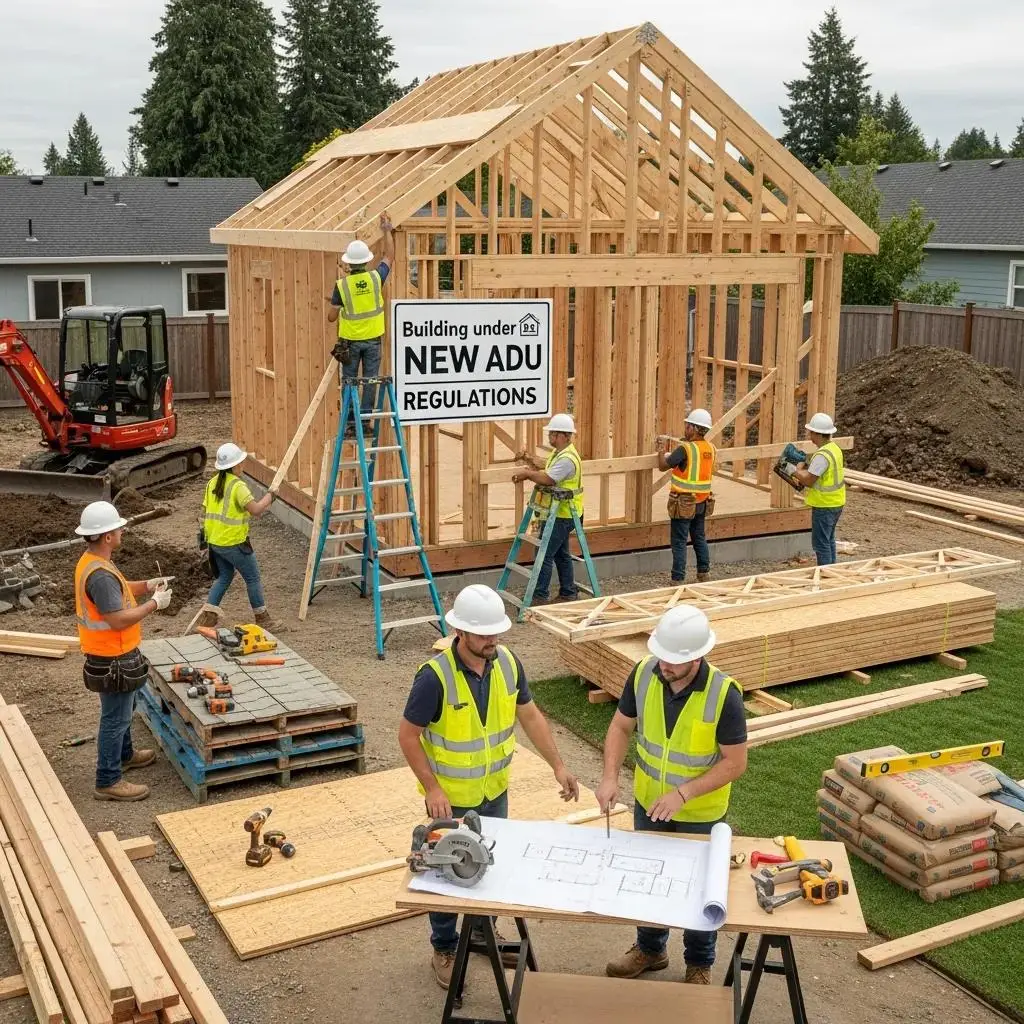
The new ADU rules in Massachusetts, effective in 2026, simplify the process for homeowners looking to build these units. Under the new regulations, homeowners can construct ADUs by-right, meaning they do not need special permits in many cases, provided they meet specific zoning criteria. This change is designed to streamline the approval process and encourage the development of affordable housing options. Homeowners should familiarize themselves with local zoning regulations to ensure compliance and maximize their building potential.
Key Features of the New ADU Law
The new ADU law includes several key features that homeowners should be aware of:
- By-Right Development: Homeowners can build ADUs without special permits, simplifying the approval process.
- Increased Size Limits: The law allows for larger ADUs, making it feasible to create more functional living spaces.
- Flexible Zoning Regulations: Local zoning boards are encouraged to adopt more flexible regulations to facilitate ADU construction.
These features collectively aim to make it easier for homeowners to add value to their properties while contributing to the state’s affordable housing goals.
Compliance with Zoning Regulations
While the new ADU law simplifies many aspects of construction, homeowners must still comply with local zoning regulations. This includes adhering to setback requirements, height restrictions, and parking provisions. Homeowners should consult with local planning departments to ensure their ADU plans align with existing regulations. Understanding these requirements is essential to avoid potential legal issues and ensure a smooth construction process.
How Bradford Construction Management Can Help
Navigating the complexities of the Massachusetts Affordable Homes Act and the new ADU law can be challenging for homeowners. Bradford Construction Management specializes in overseeing residential building projects, including ADUs. Their expert project consultation and management services are tailored to help homeowners understand the new regulations and maximize their investment. By partnering with a construction management firm, homeowners can ensure compliance with state laws while optimizing their project for financial success.
Bradford Construction Management offers comprehensive construction management services for ADU projects, ensuring that homeowners can focus on their investment while experts handle the details. Their experience in the North Shore region positions them as a valuable resource for homeowners looking to capitalize on the new opportunities presented by the Massachusetts Affordable Homes Act and ADU law.
By understanding the financial benefits, new regulations, and available support, North Shore homeowners can confidently explore the potential of building ADUs in 2026 and beyond.
Ready to Build Your ADU?
Take the next step towards maximizing your property’s potential and generating rental income with an Accessory Dwelling Unit. Contact Bradford Construction Management today for expert guidance and professional project management tailored to your needs.