
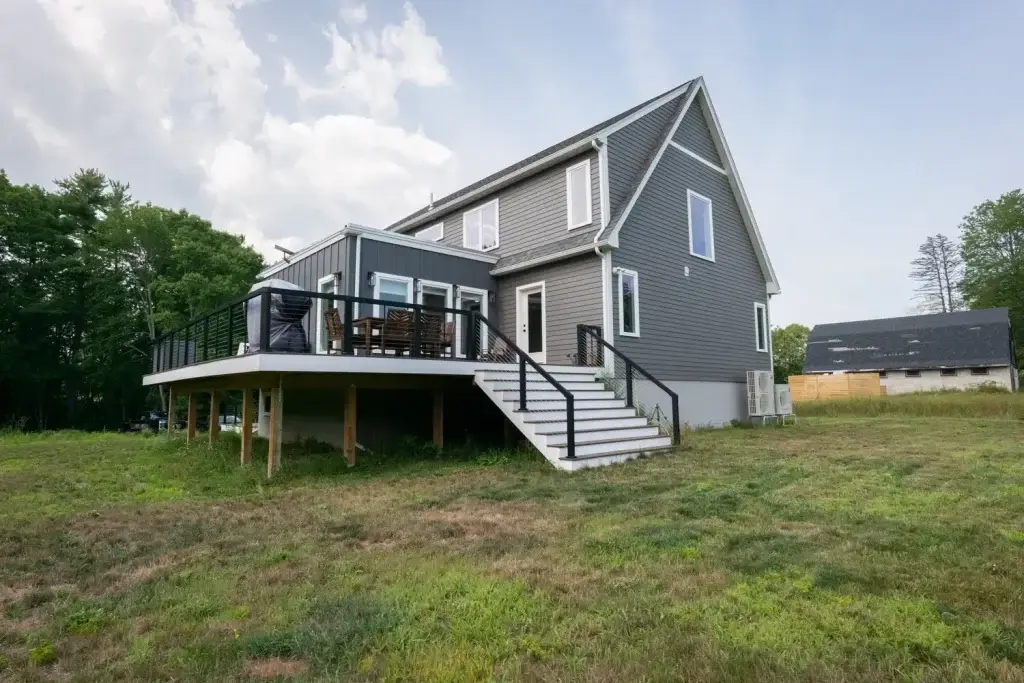
North Shore Custom Home Build Timeline: Land to Move-In Day
Building a custom home is an exciting journey that requires careful planning and execution, especially on the North Shore of Massachusetts. This article will guide you through the essential timeline from land acquisition to move-in day, ensuring you understand each step of the process. You will learn about the initial steps in land acquisition, the permitting process, key construction phases, and how to prepare for a smooth move-in. Many prospective homeowners face challenges in navigating the complexities of custom home building, but with the right knowledge and support, you can mitigate risks and ensure a successful project. This guide will cover the critical phases of building a custom home, including site preparation, permitting, construction management, and final inspections.
What Are the First Steps in Land Acquisition and Site Preparation on the North Shore?
The first steps in land acquisition and site preparation are crucial for a successful custom home build. This phase involves selecting the right plot of land, understanding zoning regulations, and preparing the site for construction. Proper site selection ensures that your home is built in a location that meets your lifestyle needs and complies with local regulations. Engaging with a construction management firm can streamline this process, providing expert guidance on site preparation tasks and land acquisition strategies.
How to Choose the Right Plot for Your Custom Home in Massachusetts
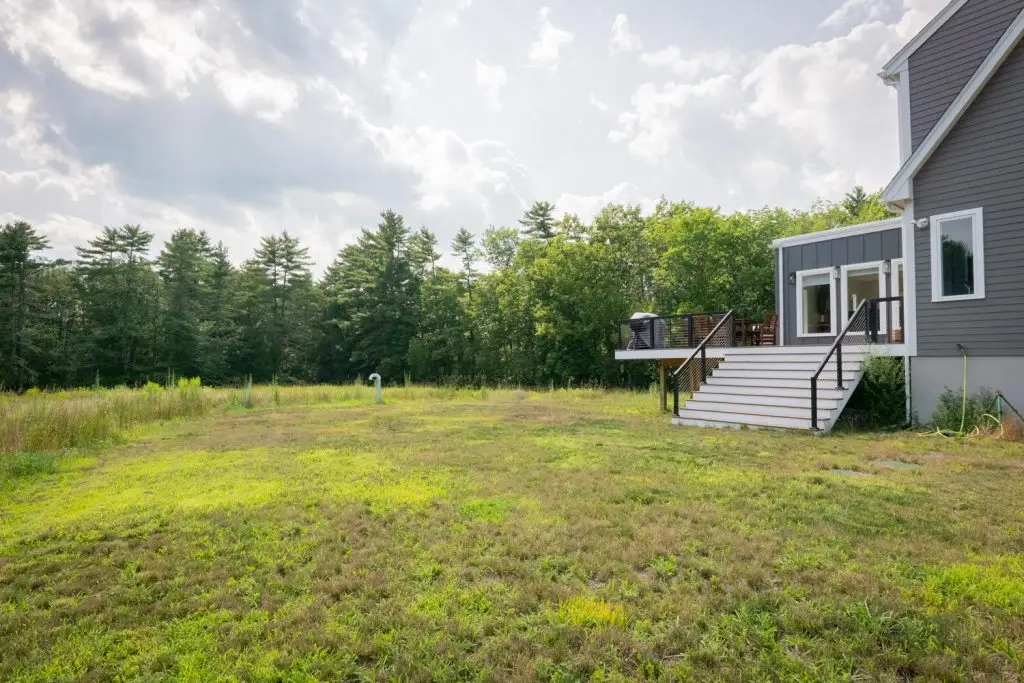
Choosing the right plot for your custom home involves several key considerations:
- Location Considerations: Evaluate proximity to schools, work, and amenities.
- Zoning Regulations: Understand local zoning laws that may affect your building plans.
- Access to Utilities: Ensure the plot has access to essential services like water, electricity, and sewage.
These factors play a significant role in determining the feasibility and comfort of your future home.
How Does the Permitting Process Work for Custom Homes in Massachusetts?
The permitting process for custom homes in Massachusetts is a critical step that ensures compliance with local building codes and regulations. This process typically involves obtaining various permits, which can vary based on the location and scope of your project. Understanding the requirements and timelines for these permits is essential to avoid delays in your construction schedule.
What Permits Are Required for Building a Custom Home on the North Shore?
When building a custom home on the North Shore, you will likely need the following permits:
- Building Permits: Required for all construction activities.
- Environmental Permits: Necessary if your project impacts local ecosystems.
- Local Zoning Permits: Ensure your plans comply with local zoning laws.
These permits are essential for legal compliance and to ensure the safety and integrity of your home.
How Long Does Permit Processing Take in Massachusetts?
Permit processing times in Massachusetts can vary significantly based on the type of permit and the local municipality. On average, you can expect the following timeframes:
- Building Permits: 4-6 weeks
- Environmental Permits: 6-8 weeks
- Zoning Permits: 2-4 weeks
Understanding these timelines can help you plan your construction schedule more effectively.
What Are the Key Construction Phases and Project Management Steps?
The construction of a custom home involves several key phases, each requiring careful management to ensure timely completion. Effective project management is essential to coordinate contractors, manage budgets, and maintain quality throughout the build.
How to Select and Coordinate Contractors for Your Custom Home Build
Selecting the right contractors is vital for the success of your custom home project. Consider the following guidelines:
- Types of Contractors: Understand the roles of general contractors, subcontractors, and specialty trades.
- Selection Criteria: Look for experience, references, and licensing.
- Coordination Tips: Maintain clear communication and set expectations from the outset.
Effective contractor coordination can significantly impact the efficiency and quality of your build.
What Are the Main Construction Stages from Foundation to Finishing?
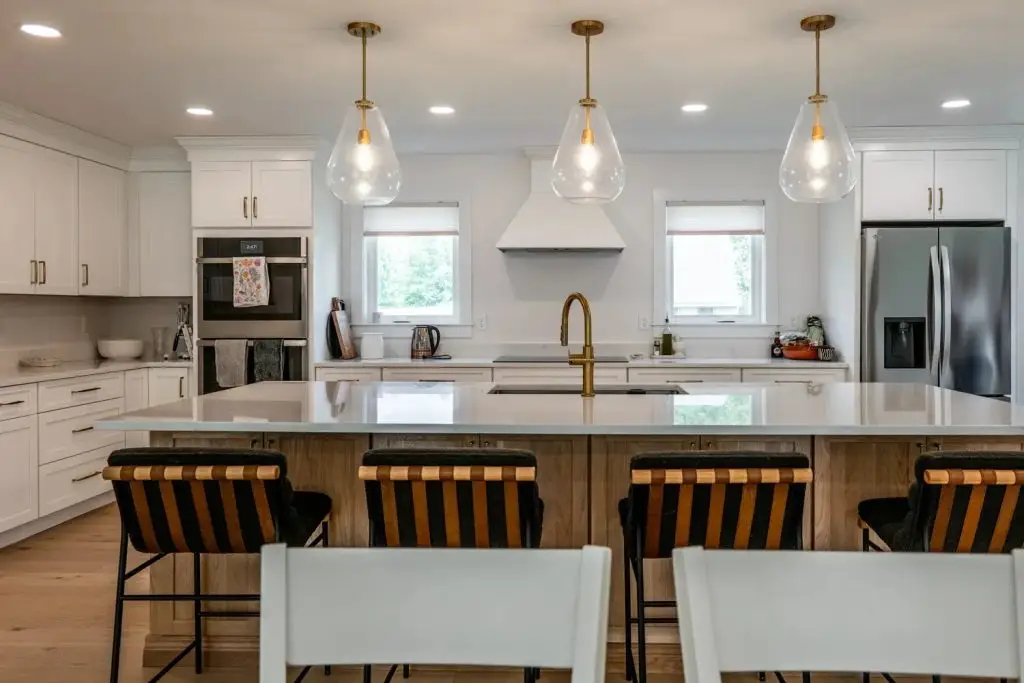
The main construction stages of a custom home include:
- Foundation Work: Laying the groundwork for your home.
- Framing and Roofing: Constructing the structural framework and roof.
- Finishing Touches: Installing interior finishes, fixtures, and landscaping.
Each stage requires careful oversight to ensure that the project stays on schedule and within budget.
Incorporating Design and Building Process Considerations
Design and building processes are integral to creating a custom home that reflects your vision and meets your needs. Key aspects include:
- Design Development: Collaborate with architects and designers to finalize floor plans, elevations, and interior layouts that suit your lifestyle and preferences.
- Material Selection: Choose quality materials for durability, aesthetics, and energy efficiency, including flooring, cabinetry, countertops, and fixtures.
- Building Techniques: Consider modern construction methods such as energy-efficient framing, insulation, and sustainable building practices to enhance comfort and reduce environmental impact.
- Customization Options: Incorporate personalized features like smart home technology, custom cabinetry, and unique architectural details to make your home truly one-of-a-kind.
Integrating these design and building process elements early in the project helps ensure a cohesive and satisfying outcome.
How Should You Prepare for Move-In Day and Final Inspections?
Preparing for move-in day involves several important steps to ensure a smooth transition into your new home. This phase includes final inspections, utility setup, and addressing any last-minute details.
What Inspections Ensure Quality and Compliance Before Move-In?
Before moving in, several inspections are necessary to ensure your home meets safety and quality standards:
- Building Inspections: Verify that construction complies with local codes.
- Safety Inspections: Ensure all safety features are functional.
- Final Walkthrough: Review the home with your contractor to address any concerns.
These inspections are crucial for ensuring that your new home is safe and ready for occupancy.
What Are Essential Tips for a Smooth Move-In on the North Shore?
To facilitate a smooth move-in process, consider the following tips:
- Moving Logistics: Plan your moving day carefully to avoid delays.
- Setting Up Utilities: Ensure all utilities are connected before moving in.
- Final Preparations: Conduct a thorough cleaning and check for any last-minute repairs.
By following these tips, you can make your transition into your new home as seamless as possible.
Ready to Start Your Custom Home Journey?
If you’re ready to build your dream home on the North Shore, our expert team at Bradford Construction Management is here to help every step of the way. Contact us today to discuss your project and get started on making your vision a reality.