
Building In-Law Apartments: A Guide to Design, Rules, and Costs
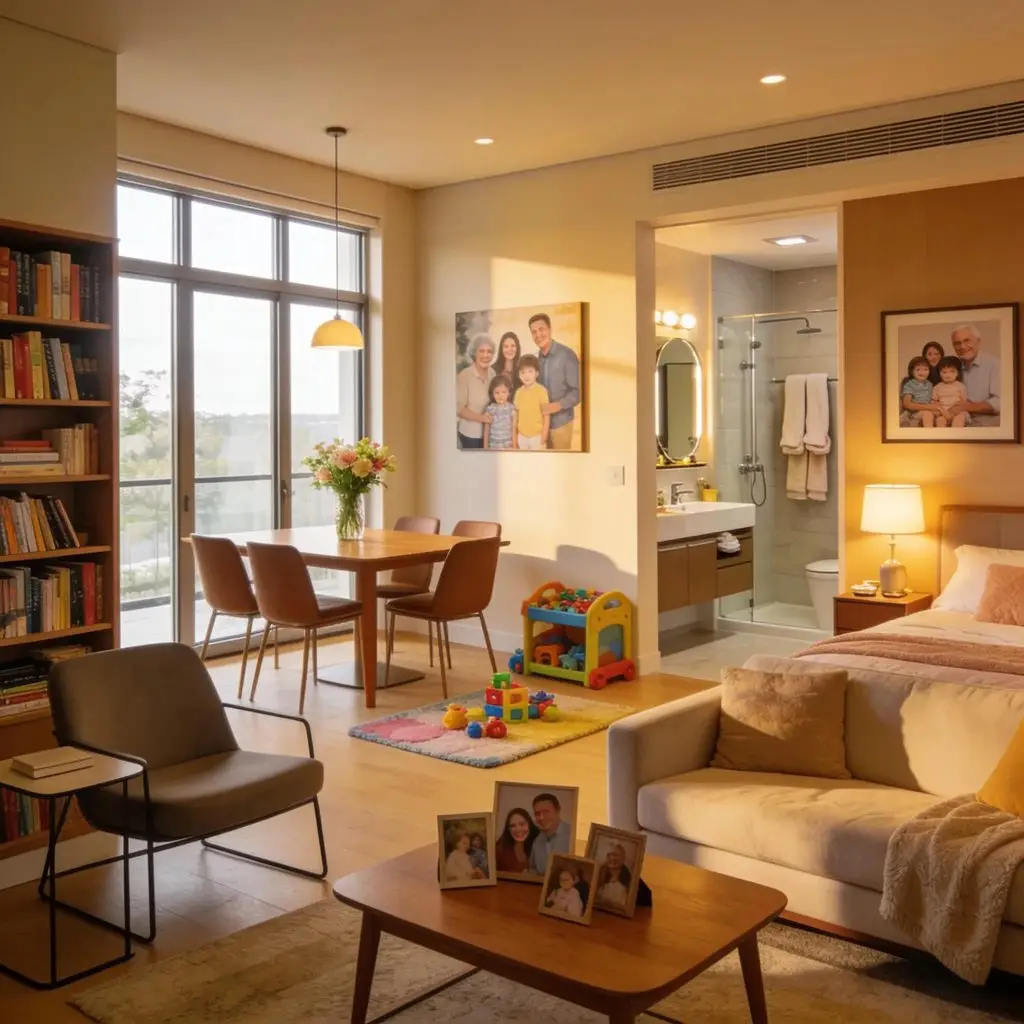
More families across the North Shore of Massachusetts and Southern New Hampshire are choosing to live together under one roof, or close to it. An in-law apartment, sometimes called an in-law suite or a granny flat, gives an aging parent or an adult child a private space of their own while keeping family nearby. The phrase we hear most often from homeowners is “close, but not too close.” That is exactly what these spaces are built to do.
This guide covers what you need to know to build one here: the rules in Massachusetts, how to design it well, what it costs, and how the process actually works.
An in-law apartment is usually an ADU, and the rules just changed
Here is the most important thing to understand. An in-law apartment with its own entrance, kitchen, and bathroom is an accessory dwelling unit, or ADU, under Massachusetts law. And the rules around ADUs got much friendlier.
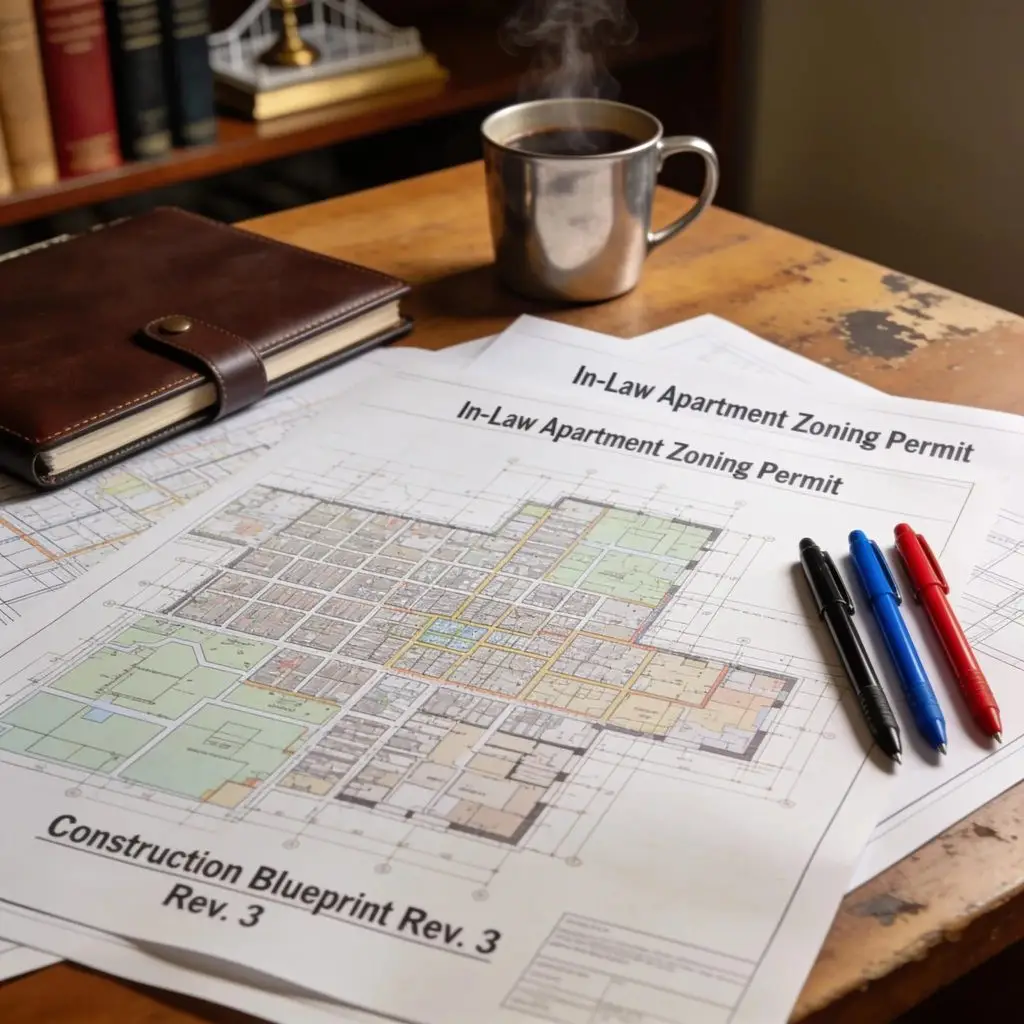
As of February 2, 2025, Massachusetts allows one ADU by right in single-family zoning districts. By right means you no longer need a special permit or a public zoning hearing for a compliant unit. For years the approval process was the part families dreaded most, with the back-and-forth and the fear that a neighbor could derail the whole thing. That barrier is gone. A neighbor cannot block a compliant in-law apartment, and you are not waiting on a discretionary hearing.
A few rules still apply. The unit can be up to 900 square feet, or half the size of your main home, whichever is smaller. You still pull a standard building permit, and the apartment has to meet the state building, fire, and health codes. If your home sits within a half mile of an MBTA station or bus stop, the town cannot require extra parking. Outside that, it can ask for at most one space.
For families in Massachusetts, this change turned a long list of “someday” plans into projects families are starting now.
Designing an in-law apartment that works for the long run
A good in-law apartment balances two things: privacy for both households, and accessibility that holds up as people age.
For privacy, a separate entrance is the single most important feature. It lets your parent or adult child come and go on their own schedule and feel like they have their own home, not a converted bedroom. An open layout that combines the living, dining, and kitchen areas makes a smaller footprint feel larger and easier to live in.
For accessibility, it pays to build in aging-in-place features from the start, even if no one needs them yet. The ones that matter most are a zero-step entry, wider doorways, a curbless or walk-in shower, grab bars or blocking in the bathroom walls so bars can be added later, non-slip flooring, and good lighting. Adding these during construction costs a fraction of what it costs to retrofit them later, and they make the space safer and more comfortable for everyone.
What an in-law apartment costs here
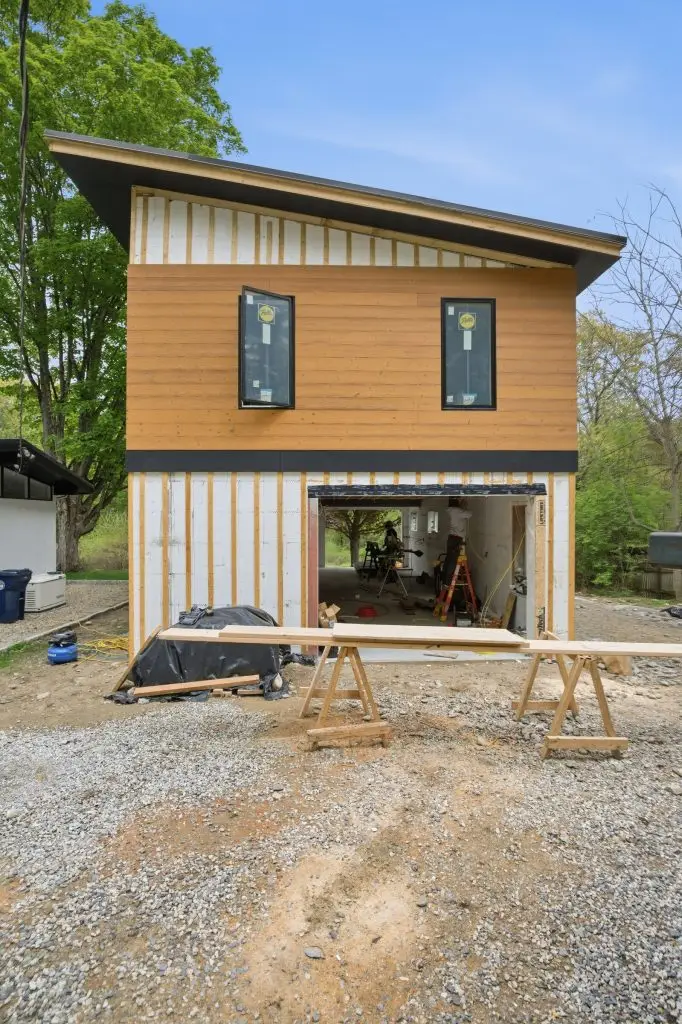
Cost depends on a handful of things: the size, the finishes, the site work, and your utilities. The biggest single variable in our area is almost always septic. If your home is on a private septic system, an older or undersized system may need an upgrade to handle the added bedrooms, and that can move the budget more than any design choice. That is why we look at your septic capacity first, before we talk about floor plans. We would rather tell you the hard part on day one than surprise you in month three.
We build in-law additions the same way we build everything: site-built, by our own team, with transparent and itemized pricing so you can see what you are paying for at each stage. We are not a modular or prefab shop, and we do not bury a septic guess inside the quote to make the total look tidy. For real base pricing and what drives it, see our ADU services and home additions pages.
On financing, families have more options than they expect. Home equity loans and lines of credit are common, and Massachusetts has a state ADU loan program through MassHousing aimed specifically at these projects. A lender familiar with ADUs can also factor in future rental income when sizing your loan.
How long it takes
Plan on several months from your first design conversation to move-in. The work breaks into design, permitting, and construction. Design and planning usually run a couple of months. Permitting moves faster now under the by-right law, since there is no special-permit hearing for a compliant unit. Construction of a quality site-built addition then runs a few months on top of that, depending on size and complexity.
The biggest thing you can do to keep it moving is start early and get the septic check done up front, so nothing stalls once you are ready to build.
Why families build these
Most of the homeowners we work with are not chasing a trend. They have a real reason.
The most common one is caregiving. An in-law apartment lets you keep an aging parent close, in a safe and accessible space, without moving them into a facility far from family. For an adult child priced out of today’s housing market, it offers a foothold and a measure of independence. Beyond the family side, a well-built in-law apartment adds lasting value to your property and gives you flexible space you can use differently as life changes.
How we build them
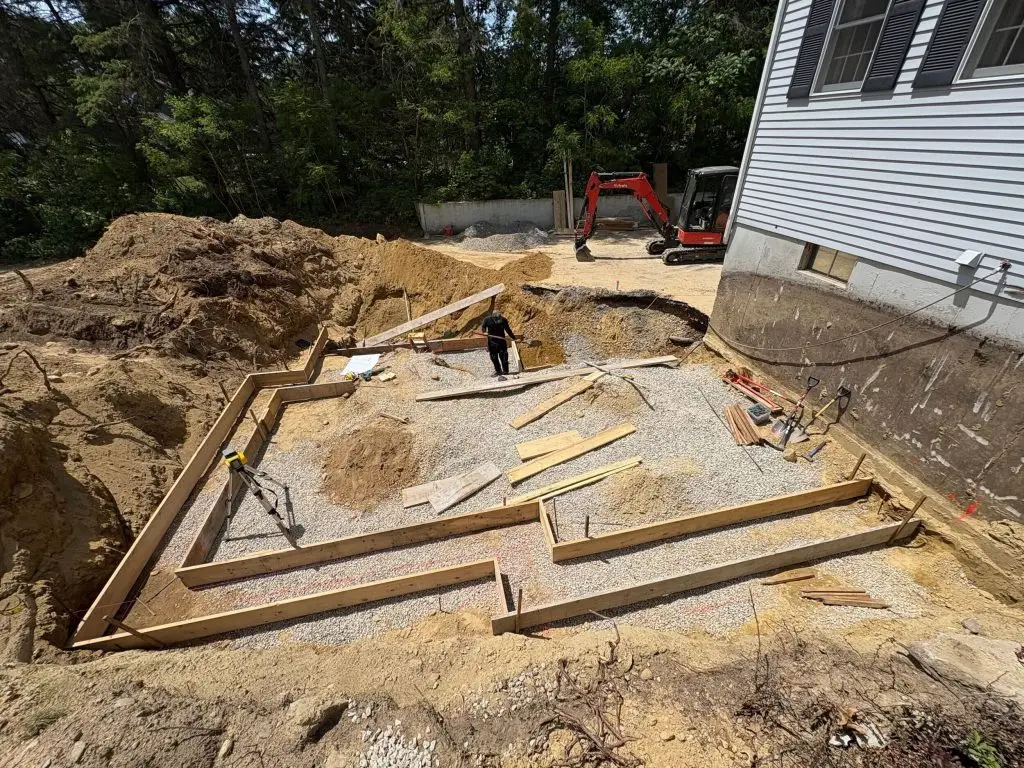
We run every in-law addition as a design-build project, which means one team handles your project from the first sketch to the final inspection. You are not hiring an architect, then a separate builder, then refereeing the gaps between them.
You get transparent, itemized pricing, so there is no surprise bill. You get daily jobsite photo documentation, so you see exactly what happened on your project each day, even when you cannot stop by. And because Rick White’s background is in large, complex commercial builds, we manage these projects with commercial-grade scheduling and proactive problem-solving, not excuses after the fact.
When the build is done, we do not disappear. Through Bradford Home Services, we stay on for maintenance and support after move-in, because we plan to stand behind the home for as long as your family lives there.
Frequently asked questions
Is an in-law apartment the same as an ADU? In most cases, yes. An in-law apartment with its own entrance, kitchen, and bathroom qualifies as an accessory dwelling unit under Massachusetts law.
Do you need a special permit to build one in Massachusetts? No. Since February 2, 2025, a compliant ADU is allowed by right in single-family zones, so no special permit or zoning hearing is required. You still pull a standard building permit, which we handle.
How big can an in-law apartment be? Up to 900 square feet, or half the size of your main home, whichever is smaller.
What usually costs the most? Septic is typically the largest single variable on a private system, which is why we check it before anything else. Size, finishes, and site work drive the rest.
Can the apartment be designed for an aging parent? Yes, and it should be. A zero-step entry, wider doorways, a curbless shower, grab-bar blocking, and good lighting are far cheaper to build in now than to add later.
Thinking about an in-law apartment?
The best first step is a straight conversation about your lot, your septic, and what you want the space to do. We will give you honest answers and a clear price, not a sales pitch. Learn more about our ADU and in-law apartment services, see our Andover ADU work, or reach out through our contact page to start.