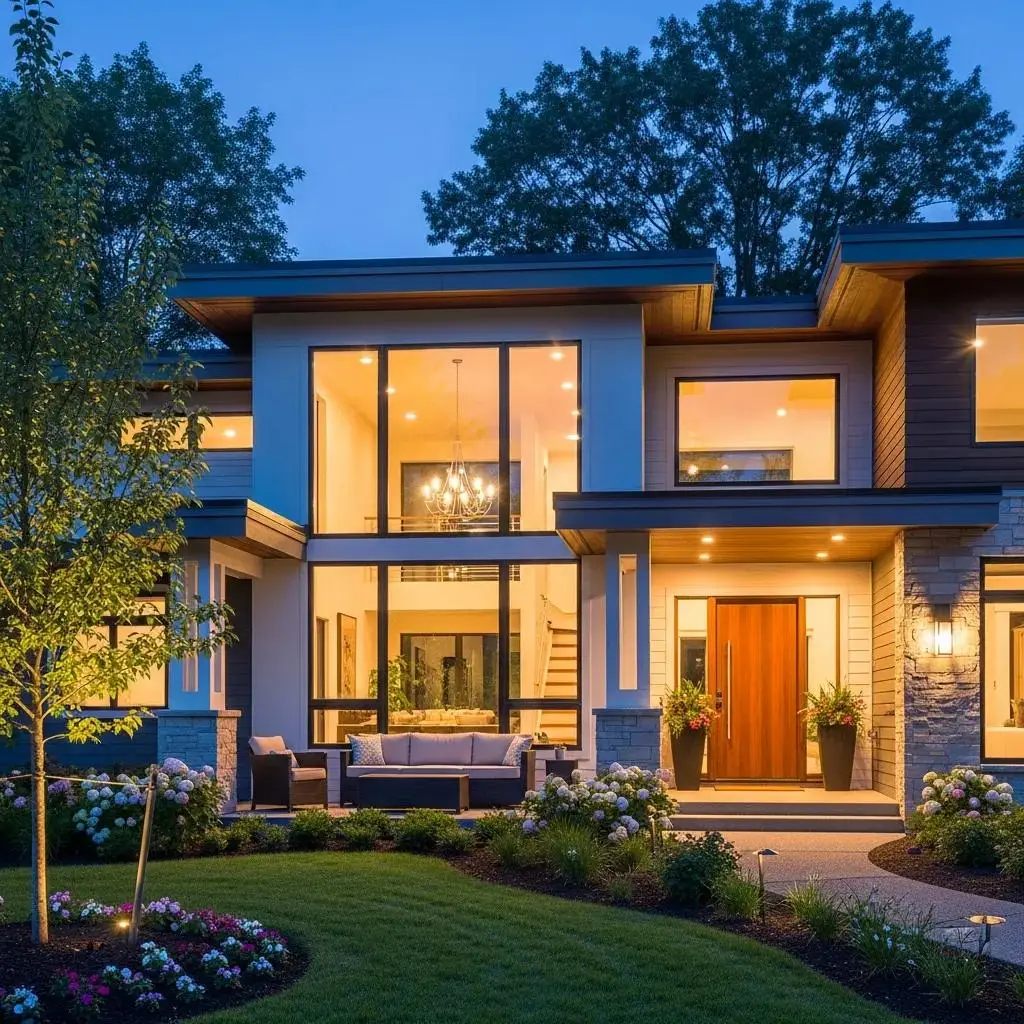
Tailored Custom Home Design & Architectural Planning Solutions
Personalized custom home design and architectural planning offer homeowners the unique opportunity to create spaces that reflect their individual tastes and lifestyles. This article explores the key benefits of personalized home design, the intricacies of architectural planning, and how these elements come together to enhance residential living. Many homeowners face challenges in finding designs that meet their specific needs, leading to dissatisfaction with standard options. Personalized solutions not only address these concerns but also elevate the overall living experience. We will explore the advantages of custom designs, the phases of architectural planning, essential features of drafting services, and the latest trends in sustainable and smart home design.
What Are the Key Benefits of Personalized Custom Home Design?
Personalized custom home design provides numerous advantages that significantly enhance the living experience. By tailoring designs to individual preferences, homeowners can achieve enhanced functionality, increased property value, and a unique aesthetic that reflects their lifestyle. This approach ensures that every aspect of the home is designed with the owner’s needs in mind, leading to greater satisfaction and comfort.
Indeed, the entire custom home building process is inherently personal, ensuring every detail aligns with the homeowner’s vision.
Personalized Architectural Design in Custom Home Building
Custom home building is a detailed and complex process, where every phase, from the architectural design to the final coat of paint, is personalized
Custom Home Building: integrating design, procurement and construction management to a digital ecosystem, 2025
- Enhanced Living Space Functionality: Custom designs allow for the optimization of space, ensuring that every room serves its intended purpose effectively. This includes considerations such as natural light optimization, traffic flow, and multi-use spaces that adapt to changing family needs.
- Increased Property Value: Homes that are uniquely designed often command higher market values, as they stand out in a competitive real estate market. Custom features and high-quality materials contribute to long-term investment appreciation.
- Tailored Design to Client Needs: Personalized designs cater to specific requirements, whether it’s accommodating a growing family, creating a home office, or integrating accessibility features for aging in place.
For those interested in exploring personalized custom home design, Bradford Construction Management specializes in delivering tailored construction management services and project consultations, leveraging industry expertise and cutting-edge technology to bring client visions to life.
How Custom Floor Plans Enhance Residential Living Spaces
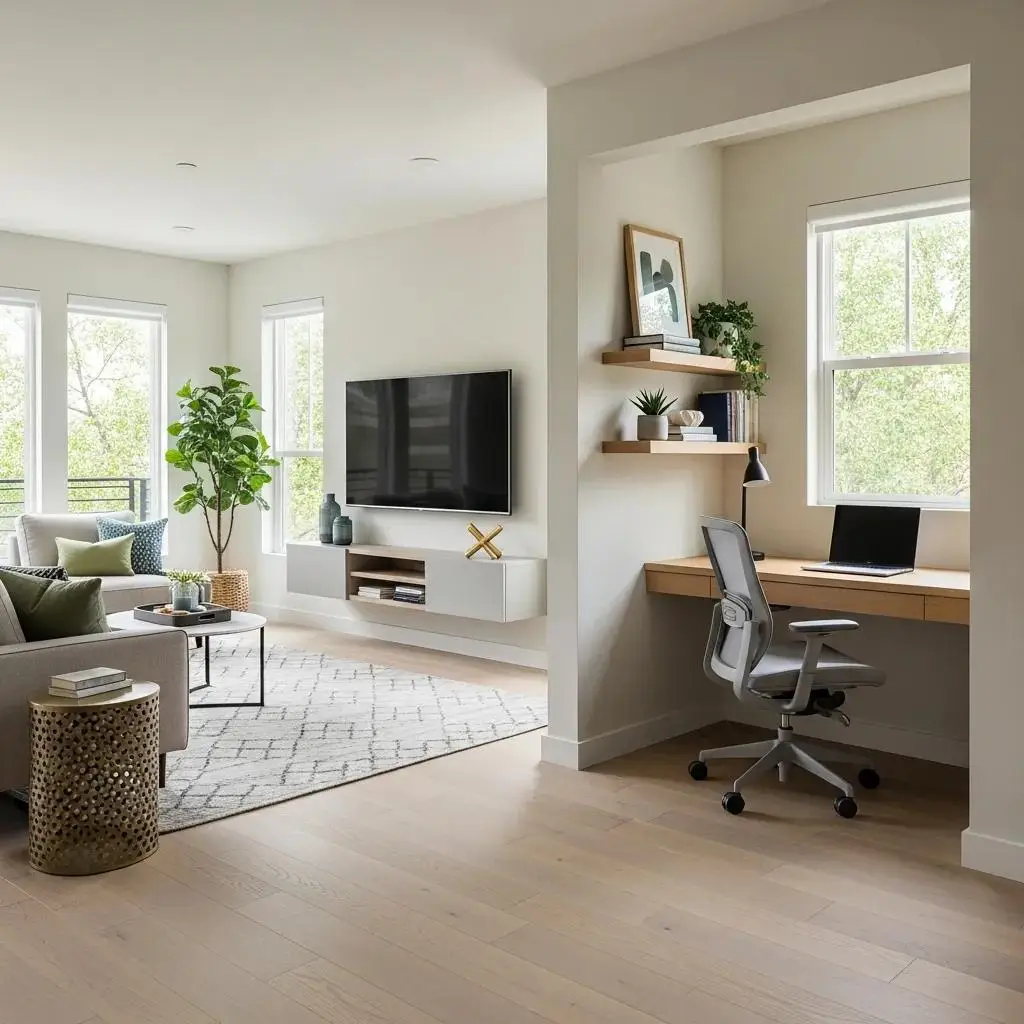
Custom floor plans play a crucial role in enhancing residential living spaces by allowing homeowners to dictate the layout and flow of their homes. This flexibility enables the creation of spaces that are not only functional but also aesthetically pleasing. For instance, open-concept designs can foster a sense of community within the home, while designated areas can provide privacy and quiet. Successful examples of custom floor plans include multi-functional rooms that adapt to various needs, such as a guest room that doubles as a home office, or flexible spaces designed for future expansion.
How Does Architectural Planning Improve Custom Home Construction Outcomes?
Architectural planning is essential in ensuring that custom home construction meets the desired outcomes. It involves a systematic approach that encompasses various phases, each contributing to the overall success of the project. Effective planning minimizes risks and enhances the quality of the final product.
- Phases of Architectural Planning: The process typically includes initial consultations, site analysis, design development, engineering coordination, and finalization, ensuring that all aspects are thoroughly considered and compliant with local building codes and zoning regulations.
- Benefits of Thorough Planning: Comprehensive planning leads to better resource management, cost efficiency, and adherence to timelines. It also facilitates proactive problem-solving and risk mitigation throughout the project lifecycle.
- Impact on Project Timelines: A well-structured plan can significantly reduce delays, ensuring that the project stays on track by anticipating potential challenges and coordinating all stakeholders effectively.
Phases of Architectural Home Design Services Explained
The architectural home design process consists of several key phases that guide the project from concept to completion. Initially, the consultation phase allows architects to understand the client’s vision and requirements, including lifestyle needs, budget constraints, and site-specific factors. Following this, the design development phase involves creating detailed plans, 3D renderings, and material specifications, which are then finalized before construction begins. This structured approach ensures that all client needs are met while adhering to local regulations and standards, and incorporates feedback loops to refine the design.
Integrating House Architecture Trends into Planning
Incorporating current trends into architectural planning can enhance the appeal and functionality of custom homes. Popular trends include sustainable design practices that utilize eco-friendly materials and smart home technology that enhances convenience and energy efficiency. By integrating these elements, architects can create homes that are not only beautiful but also aligned with modern living standards and environmental considerations. Additionally, biophilic design principles, which emphasize natural elements and indoor-outdoor connectivity, are gaining traction for their positive impact on occupant well-being.
What Are the Essential Features of Custom Architectural Drafting Services?
Custom architectural drafting services are vital in translating design concepts into actionable plans. These services encompass various features that ensure accuracy and client satisfaction throughout the design process.
- Client Collaboration: Effective drafting services prioritize client input, allowing for feedback and adjustments throughout the design process. This collaborative approach ensures that the final plans reflect the client’s vision and functional requirements.
- Technical Accuracy: Precision in measurements and adherence to building codes are critical to avoid costly mistakes during construction. Drafting services utilize advanced CAD software and BIM (Building Information Modeling) to enhance accuracy and coordination.
- Customization Options: Drafting services offer various customization options, enabling clients to modify designs to better suit their preferences, including material selections, structural elements, and interior layouts.
Client Collaboration in Personalized Residential Plans
Collaboration between clients and architects is essential in creating personalized residential plans. This process often involves multiple feedback loops, where clients can express their preferences and suggest changes. By fostering open communication, architects can ensure that the final design aligns closely with the client’s vision, leading to higher satisfaction and a more successful project outcome. Digital tools such as virtual walkthroughs and interactive models further enhance client engagement and decision-making.
Technical Aspects of Drafting Floor Plans
The technical aspects of drafting bespoke floor plans involve using advanced software and adhering to industry standards. Architects must ensure that all designs are not only visually appealing but also structurally sound. This includes precise measurements, compliance with local building codes, and consideration of materials used in construction. By focusing on these technical details, architects can deliver high-quality plans that facilitate a smooth construction process and reduce the likelihood of costly revisions during building.
How Does Project Management Support Home Architecture?
Project management plays a crucial role in the successful execution of home architecture projects. It involves coordinating various services, managing timelines, and ensuring quality throughout the construction process.
- Coordination of Services: Effective project management ensures that all contractors and subcontractors are aligned and working towards the same goals. This includes scheduling, procurement, and communication management to avoid conflicts and delays.
- Timeline Management: Keeping the project on schedule is essential for meeting client expectations and minimizing costs. Project managers use detailed timelines and milestone tracking to monitor progress and address issues promptly.
- Quality Assurance: Regular inspections and quality control measures help maintain high standards throughout the construction process. This includes adherence to design specifications, safety protocols, and material quality checks.
Consultation Process for Custom Home Design Projects
The consultation process for custom home design projects is a critical step that sets the foundation for the entire project. It typically begins with initial meetings where architects gather information about the client’s needs and preferences. This phase is crucial for understanding the scope of the project and setting realistic expectations regarding timelines and budgets. Detailed site assessments and feasibility studies may also be conducted to inform design decisions.
Ensuring Quality and Timelines in Construction Management
Quality assurance and timeline management are integral to successful construction management. Regular inspections during the building process help identify potential issues early, allowing for timely interventions. Additionally, maintaining open lines of communication with clients ensures that they are kept informed of progress and any changes that may arise, fostering trust and satisfaction. Utilizing project management software and digital reporting tools enhances transparency and efficiency.
What Are the Latest Trends in Sustainable and Smart Custom Home Design?
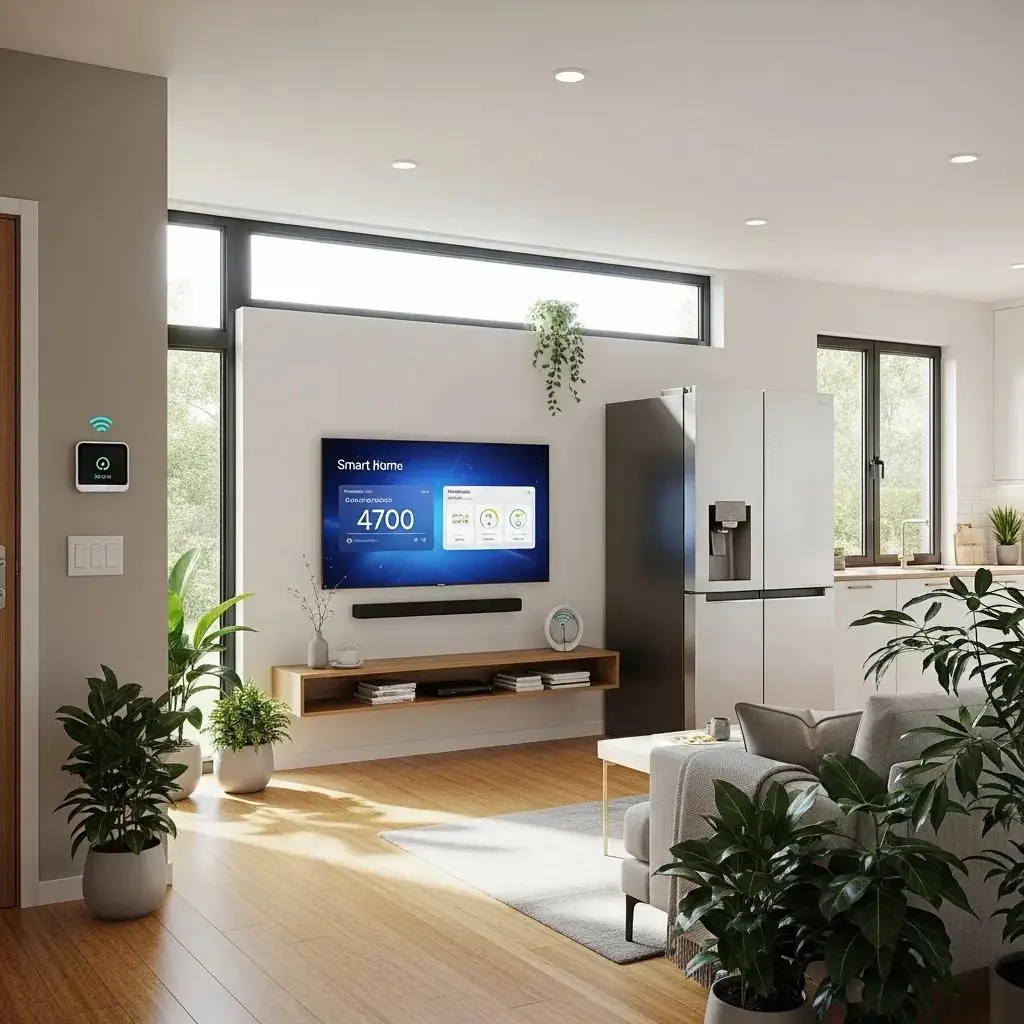
The landscape of custom home design is continually evolving, with sustainability and smart technology at the forefront of current trends. Homeowners are increasingly seeking designs that not only meet their aesthetic preferences but also contribute to environmental sustainability and energy efficiency.
- Incorporating Sustainable Materials in Personalized Home Plans: The use of eco-friendly materials is becoming a standard practice in custom home design, reducing the environmental impact of construction. Materials such as reclaimed wood, bamboo, recycled steel, and low-VOC finishes contribute to healthier indoor environments and lower carbon footprints.
- Smart Home Technology Integration in Architectural Planning: Integrating smart technology into home designs enhances convenience and energy management, allowing homeowners to control various aspects of their homes remotely. This includes automated lighting, climate control, security systems, and energy monitoring, which collectively improve comfort and reduce utility costs.
- Client Preferences: Understanding client preferences for sustainable and smart features is essential for creating homes that align with modern values and lifestyles. Customization options now often include solar panel integration, rainwater harvesting systems, and home automation tailored to individual needs.
Incorporating Sustainable Materials in Personalized Home Plans
Sustainable materials play a vital role in modern custom home design. Options such as reclaimed wood, bamboo, and recycled materials not only reduce environmental impact but also add unique character to homes. Homeowners are increasingly prioritizing these materials in their designs, reflecting a commitment to sustainability and responsible living. Additionally, energy-efficient insulation and windows contribute to long-term cost savings and comfort.
Smart Home Technology Integration in Architectural Planning
Smart home technology is revolutionizing the way homeowners interact with their living spaces. From automated lighting and climate control to advanced security systems, these technologies enhance convenience and energy efficiency. Architects are now incorporating these features into their designs, ensuring that homes are equipped for the future while meeting the needs of modern families. Integration with voice-activated assistants and mobile apps allows seamless control and monitoring, improving overall home management.
Ready to Bring Your Custom Home Vision to Life?
If you are considering a personalized custom home design or want to explore architectural planning tailored to your unique needs, connect with Bradford Construction Management today. Our expert team is dedicated to guiding you through every step of the process, from initial consultation to project completion. Schedule your free consultation now and take the first step toward creating a home that truly reflects your lifestyle and aspirations.