Home Addition Cost in Massachusetts: Your 2026 Budget Guide
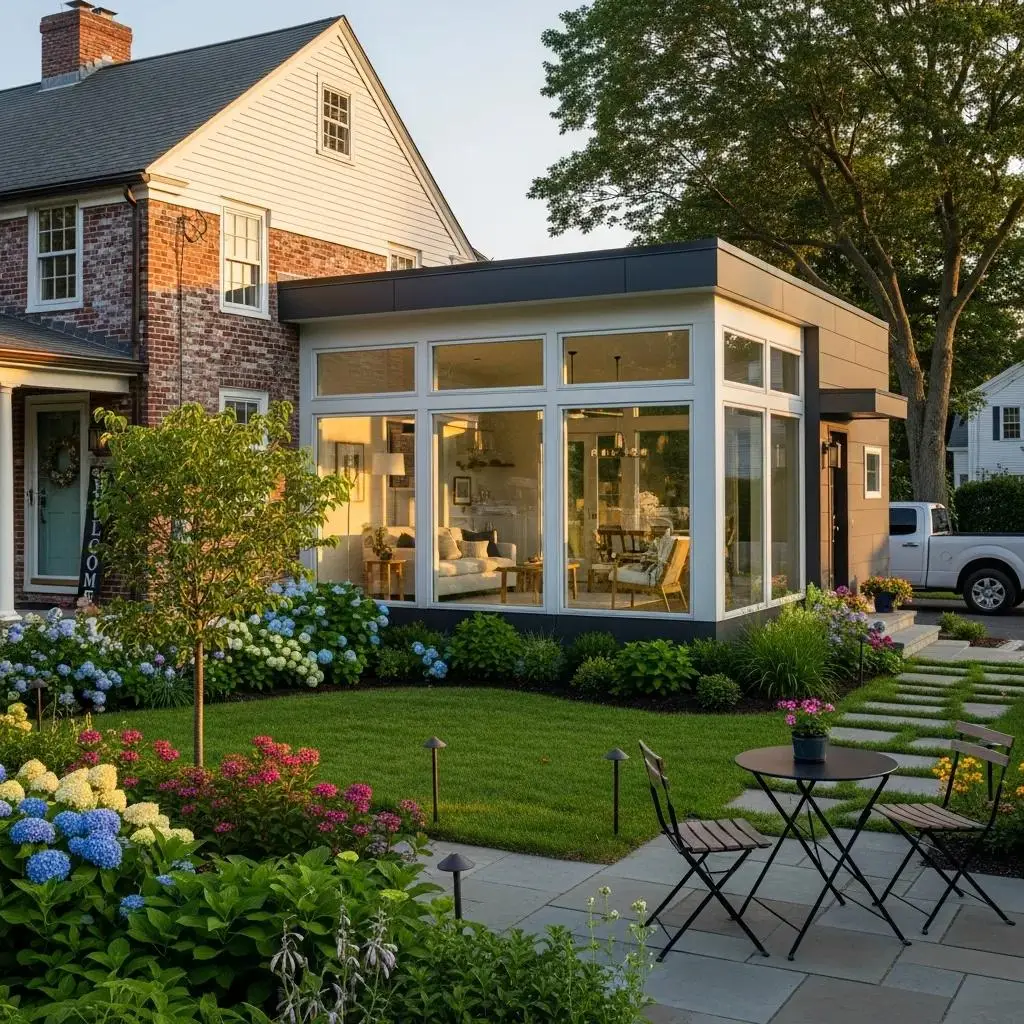
Massachusetts Home Addition Cost Guide: Every Type, Every Variable [2026 Data]
Home additions can significantly enhance the functionality and value of a property, but understanding the costs involved is crucial for homeowners in Massachusetts. This comprehensive guide, informed by industry experts and up-to-date market analysis, delves into the various types of home additions, the factors influencing their costs, and the benefits of hiring professional construction management services. By the end of this article, readers will have a detailed understanding of what to expect when planning a home addition in Massachusetts, including the average costs associated with different types of projects. We will explore the cost variables, the benefits of construction management, and provide expert insights into how to budget effectively for your home addition project.
Understanding the various stages of a building project, from initial design to final construction, is essential for accurately estimating and managing costs and ensuring a successful outcome. This guide incorporates best practices recommended by leading construction professionals and aligns with Massachusetts state regulations to provide reliable and actionable information.
Cost Variables Explained
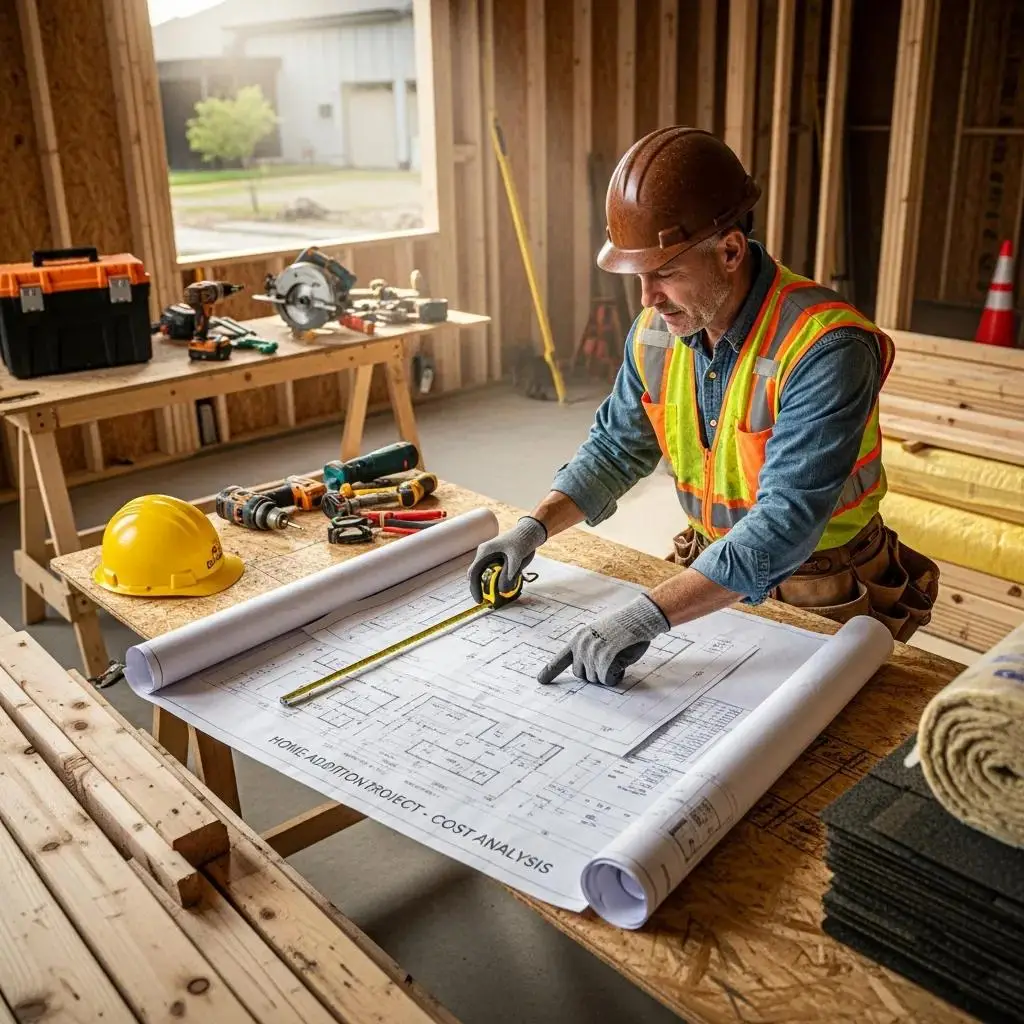
When considering a home addition, several cost variables come into play that can significantly affect the overall budget. These include the type of addition, materials used, labor costs, and local building codes. Understanding these factors can help homeowners make informed decisions and avoid unexpected expenses. Please note that all cost estimates provided are approximate and can vary based on specific project details and market conditions. The figures presented here are based on aggregated data from recent Massachusetts construction projects and verified by industry experts.
Type of Addition
The type of home addition you choose will greatly influence the cost. Common types include: home additions
- Single Room Addition: This typically involves adding a new room to the existing structure, which can range from $30,000 to $70,000 depending on size and complexity. (Cost estimates are approximate and subject to change.)
- Second Story Addition: Adding a second floor can be more expensive, often costing between $200,000 and $400,000 due to structural modifications and additional materials. (Prices are indicative and may vary.)
- Garage Conversion: Converting a garage into a livable space can cost around $25,000 to $50,000, making it a more budget-friendly option. (Estimates are for guidance only.)
Materials and Labor Costs
The choice of materials and the cost of labor are critical components of the overall expense. High-quality materials will increase the initial investment but can lead to long-term savings through durability and energy efficiency. Labor costs can vary based on the complexity of the project and the local market rates. All cost figures should be considered as general guidelines and may fluctuate. Our data reflects current Massachusetts labor market trends and material price indexes to ensure accuracy.
Local Building Codes
Massachusetts has specific building codes that must be adhered to when planning a home addition. These regulations can affect the design and materials used, potentially increasing costs if modifications are necessary to comply with local laws. Compliance with the Massachusetts State Building Code and local municipal requirements is mandatory, and failure to adhere can result in costly delays or penalties.
| Cost Variable | Description | Average Cost Range (Estimates) |
|---|---|---|
| Type of Addition | Different types of additions have varying costs | $25,000 – $400,000 (Approximate ranges) |
| Materials | Quality of materials impacts overall budget | Varies significantly (Subject to market and selection) |
| Labor | Local labor rates can affect total costs | $70 – $180 per hour (Indicative rates) |
| Permits | Required permits can add to expenses | $500 – $2,500 (Typical permit fees) |
Understanding these cost variables is essential for homeowners to create a realistic budget for their home addition project. All financial figures should be verified with local professionals and are subject to change based on project specifics. Consulting with licensed contractors and construction managers is recommended to obtain precise estimates tailored to your project.
Benefits of Construction Management

Hiring a professional construction management firm can significantly streamline the home addition process, ensuring that projects are completed on time, within budget, and to the highest standards. Here are some key benefits:
- Expertise: Construction managers bring valuable experience and knowledge to the project, helping to navigate complex regulations, design challenges, and unforeseen issues. Their expertise reduces risk and enhances project outcomes.
- Cost Efficiency: By managing resources effectively, construction managers can help reduce waste and control costs, ultimately saving homeowners money and avoiding budget overruns. Their negotiation skills and vendor relationships often result in better pricing and value.
- Quality Assurance: With a focus on quality, construction managers ensure that all work meets rigorous standards, reducing the likelihood of costly mistakes and rework. They implement thorough inspections and quality control protocols throughout the project lifecycle.
Bradford Construction Management is a Massachusetts-based construction management firm specializing in overseeing residential and commercial building projects. Their extensive expertise can be invaluable for homeowners looking to undertake a home addition, providing peace of mind and professional oversight throughout the process. Bradford Construction Management is recognized for its commitment to excellence and adherence to industry best practices.
How Much Does It Cost to Add a Room in Massachusetts?
The cost to add a room in Massachusetts varies widely based on several factors, including the type of room, size, and materials used. On average, homeowners can expect to pay between $35,000 and $70,000 for a single room addition. This estimate includes labor, materials, and permits but can fluctuate based on specific project requirements. (Please note that these figures are estimates and actual costs may vary.)
Factors Influencing Room Addition Costs
- Size of the Room: Larger rooms require more materials and labor, increasing costs.
- Design Complexity: Unique designs or features can add to the overall expense.
- Location: Costs can vary significantly based on the local market and demand for construction services.
Massachusetts Home Addition Costs: Types, Variables & 2026 Estimates
Understanding the costs associated with home additions in Massachusetts is crucial for homeowners planning to enhance their living spaces. By considering the various types of additions, the factors influencing costs, and the benefits of hiring professional construction management services, homeowners can make informed decisions that align with their budgets and goals. Whether it’s a simple room addition or a more complex second-story build, careful planning and expert guidance can lead to successful outcomes and maximize the value of your investment. Always consult with qualified professionals to obtain accurate estimates tailored to your specific project. Leveraging expert advice and adhering to local regulations ensures a smoother process and a higher quality result.
Ready to Start Your Home Addition Project?
Partner with Bradford Construction Management for expert guidance and professional oversight throughout your home addition journey. Visit their home addition service page to learn more and get started today.